Dying is a lonely journey. Not only for the sick person but also for the family. As hard as we may try to avoid death, the truth is that we do a lousy job of it. Science and medicine will certainly postpone it, even staying healthy might seem to delay it, but the harsh reality is that death does not wait for you, it does not ask you, and it does not listen to you. Death ignores your feelings and wants; you do not matter to death…Death is the only certainty in life! We need to remember that our existence here is fragile, and we never have as much time with people as we think we do. If there is someone or someones out there that you love, don’t neglect that and don’t put off engaging with them because waits for no-one… Vic's Journey ended on 18 January 2013 at 10:35. She was the most courageous person in the world and has inspired thousands of people all over the world. Vic's two boys are monuments of her existence. She was an amazing mother, daughter, sister and friend. I will miss you today, tomorrow and forever my Angle Child.
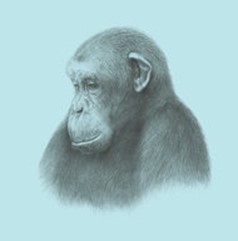
Pansy was probably in her 50s when she died, which is pretty good for a chimpanzee. She passed in a way most of us would envy — peacefully, with her adult daughter, Rosie, and her best friend, Blossom, by her side. Thirty years earlier, Pansy and Blossom arrived together at the Blair Drummond Safari and Adventure Park near Stirling, Scotland. They raised their children together. Now, as Pansy struggled to breathe, Blossom held her hand and stroked it.
Illustration by Denise Nestor
When the scientists at the park realized Pansy’s death was imminent, they turned on video cameras, capturing intimate moments during her last hours as Blossom, Rosie and Blossom’s son, Chippy, groomed her and comforted her as she got weaker. After she passed, the chimps examined the body, inspecting Pansy’s mouth, pulling her arm and leaning their faces close to hers. Blossom sat by Pansy’s body through the night. And when she finally moved away to sleep in a different part of the enclosure, she did so fitfully, waking and repositioning herself dozens more times than was normal. For five days after Pansy’s death, none of the other chimps would sleep on the platform where she died.
This account was published in 2010 in the journal Current Biology, but it’s not the only time scientists have watched chimpanzees, bonobos and other primates deal with death in ways that look strikingly like our own informal rituals of mourning: watching over the dying, cleaning and protecting bodies and displaying outward signs of anxiety. Chimps have been seen to make loud distress calls when a comrade dies. They investigate bodies as if looking for signs of life. There are many cases of mothers refusing to abandon dead infants, carrying and grooming them for days or even weeks. Still, it’s rare to capture primate deaths, especially those of chimpanzees and bonobos, in detail. It happens just often enough that many scientists are starting to think there’s something interesting, maybe protohuman, going on.
Clinical depression goes by many names — depression, “the blues,” biological depression, major depression. But it all refers to the same thing: feeling sad and depressed for weeks or months on end (not just a passing blue mood).
Depression is a state of low mood and aversion to activity that can affect a person’s thoughts, behavior, feelings and sense of well-being.[1] Depressed people may feel sad, anxious, empty, hopeless, worried, helpless, worthless, guilty, irritable, hurt, or restless. They may lose interest in activities that once were pleasurable, experience loss of appetite or overeating, have problems concentrating, remembering details, or making decisions, and may contemplate or attempt suicide. Insomnia, excessive sleeping, fatigue, loss of energy, or aches, pains, or digestive problems that are resistant to treatment may also be present.[2]
If you identify with several of the following signs and symptoms, and they just won’t go away, you may be suffering from clinical depression.
Feelings of helplessness and hopelessness. A bleak outlook—nothing will ever get better and there’s nothing you can do to improve your situation.
Loss of interest in daily activities. No interest in former hobbies, pastimes, social activities, or sex. You’ve lost your ability to feel joy and pleasure.
Appetite or weight changes. Significant weight loss or weight gain—a change of more than 5% of body weight in a month.
Sleep changes. Either insomnia, especially waking in the early hours of the morning, or oversleeping (also known as hypersomnia).
Anger or irritability. Feeling agitated, restless, or even violent. Your tolerance level is low, your temper short, and everything and everyone gets on your nerves.
Loss of energy. Feeling fatigued, sluggish, and physically drained. Your whole body may feel heavy, and even small tasks are exhausting or take longer to complete.
Self-loathing. Strong feelings of worthlessness or guilt. You harshly criticize yourself for perceived faults and mistakes.
Reckless behaviour. You engage in escapist behaviour such as substance abuse, compulsive gambling, reckless driving, or dangerous sports.
Concentration problems. Trouble focusing, making decisions, or remembering things.
Unexplained aches and pains. An increase in physical complaints such as headaches, back pain, aching muscles, and stomach pain.
Negative thoughts. You can’t control your negative thoughts, no matter how much you try
Suicidal thoughts. You have thoughts that life is not worth living (seek help immediately if this is the case)
There are many on-line depression tests. These tests should not replace or substitute a visit to a physician. It is only an indicator. http://www.depressedtest.com A physician will have to rule out other serious medical conditions that may cause similar symptoms.
The main types of depression include:
Major depression — to be diagnosed with major depression, you must have five or more of the symptoms listed above for at least 2 weeks. Major depression tends to continue for at least 6 months if not treated. (You are said to have minor depression if you have less than five depression symptoms for at least 2 weeks. Minor depression is similar to major depression except it only has two to four symptoms.)
Atypical depression — occurs in about a third of patients with depression. Symptoms include overeating and oversleeping. You may feel like you are weighed down and get very upset by rejection.
Dysthymia — a milder form of depression that can last for years, if not treated.
Postpartum depression — many women feel somewhat down after having a baby, but true postpartum depression is more severe and includes the symptoms of major depression.
Premenstrual dysphoric disorder (PMDD) — symptoms of depression occur 1 week before your menstrual period and disappear after you menstruate.
Seasonal affective disorder (SAD) — occurs most often during the fall-winter season and disappears during the spring-summer season. It is most likely due to a lack of sunlight.
Manic Depression may also alternate with mania (known as manic depression or bipolar disorder).
Factors that can may cause depression include:
Alcohol or drug abuse
Medical conditions and treatments, such as:
Certain types of cancer (pancreas, prostate, breast)
Long-term pain
Sleeping problems
Steroid medications – Corticosteroid medications such as prednisone, which people take for diseases such as rheumatoid arthritis or asthma
Underactive thyroid (hypothyroidism)
Illegal steroids
Amphetamines
Over the counter appetite suppressants
Stressful life events, such as:
Abuse or neglect
Breaking up with a boyfriend or girlfriend
Certain types of cancer
Death of a relative or friend
Divorce, including a parent’s divorce
Failing a class
Illness in the family
Job loss
Long-term pain
Social isolation (common cause of depression in the elderly)
Many central nervous system illnesses and injuries can also lead to depression.
Since Vic’s blotched back surgery in 2002 I have been on anti-depressants. The anti-depressants allowed me to continue functioning; fighting – living. It made life bearable. I was able to survive and support my child through 11 years of hell. The tablets certainly dulled my senses, my emotions. I have also gained 15 kgs in weight.
I have decided that I can no longer rely on medication. I have to take back control of my life. I have to heal. I have to let go of all my crutches.
I know I have to wean myself off the medication… Now that I no longer have symptoms and treatments to research to keep Vic alive, I decided to research depression. It has been absolutely amazing! I will be doing a series on depression and the treatment thereof.
Feelings of sadness, hopelessness, and anxiety are obvious signs of depression. A less known fact is that depression can also cause unexplained physical symptoms. Physical pain and depression often go hand in hand….
Depression has no respect for colour, creed, sex or nationality. Depression does not discriminate.
The exact cause of depression is not known. Depression seems to be related to an imbalance of certain chemicals in your brain. Some of these same chemicals play an important role in how you feel pain. So many experts think that depression can make you feel pain differently than other people. An episode of depression may also be triggered by a life event such as a relationship problem, bereavement, redundancy, illness; or it can develop without any reason; there may be some genetic factor involved that makes some people more prone to depression than others. Women are more predisposed to depression than men i.e. postnatal and menopausal depression….
Depression is quite a common cause of physical symptoms. But, the opposite is also true. That is, people with serious physical conditions are more likely than average to develop depression.
A high percentage of patients with depression who seek treatment, in a primary care setting, report only physical symptoms, which can make depression very difficult to diagnose. Many people suffering from depression never get help because they don’t realize that pain may be a symptom of depression. The importance of understanding the physical symptoms of depression is that treating depression can help with the pain–and treating pain can help with depression.
Physical pain and depression have a deeper biological connection than simple cause and effect; the neurotransmitters that influence both pain and mood are serotonin and norepinephrine. Dysregulation of these transmitters is linked to both depression and pain.
I have noted a common denominator in the lives and blogs of chronic pain sufferers – depression. Pain in its own right is depressing. Depression causes and intensifies pain. Some research shows that pain and depression share common pathways in the limbic (emotional) region of the brain. In fact, the same chemical messengers control pain and mood. According to an article published by the Harvard Medical School, people with chronic pain have three times the average risk of developing psychiatric symptoms–usually mood or anxiety disorders–and depressed patients have three times the average risk of developing chronic pain.
The link between pain and depression appears to be a shared neurologic pathway. Some antidepressants, such as Cymbalta and Effexor, is used to treat chronic pain.
Most of us know about the emotional symptoms of depression. But you may not know that depression can be associated with many physical symptoms, too
In fact, many people with depression suffer from chronic pain or other physical symptoms. These include:
Headaches. Headaches is a common symptom of depression. Research found that over a two-year period, a person with a history of major depression was three times more likely than average to have a first migraine attack, and a person with a history of migraine was five times more likely than average to have a first episode of depression.
Back pain. Back ache is aggravated by depression. A study from the University of Alberta followed a random sample of nearly 800 adults without neck and low back pain and found that people who suffer from depression are four times more likely to develop intense or disabling neck and low back pain than those who are not depressed.
Muscle aches and joint pain. Depression can make any kind of chronic pain worse. According to research published in the Journal of General Internal Medicine, arthritis-like physical symptoms may improve if the depression is treated with medication.
Chest pain. Chest pain must be checked out by a doctor immediately. It can be a sign of serious heart problems. But depression can contribute to the discomfort associated with chest pain. A study from the Sahlgrenska Academy, University of Gothenburg, Sweden, indicates several common factors among those affected by chest pain not linked to biomedical factors such as heart disease or some other illness–depression was one of the significant common factors.
Digestive problems. Queasiness, nausea, diarrhoea and chronic constipation can all stem from depression. Studies show that up to 60 percent of people with irritable bowel syndrome (IBS) also have a psychological disorder, most commonly depression or anxiety. According to one study published in General Hospital Psychiatry, those who reported symptoms of nausea were more than three times as likely to also have an anxiety disorder, and nearly one-and-a-half times more likely to suffer from depression. Depression is a possible cause for digestive disorders
Exhaustion and fatigue. No matter how much one sleeps, they still feel tired. Getting out of the bed in the morning is very hard, sometimes even impossible. Fatigue and depression are not a surprising pair. Depression and fatigue feed off each other in a vicious cycle that makes it hard to know where one begins and the other ends. Researchers have found people who are depressed are more than four times as likely to develop unexplained fatigue, and those who suffer from fatigue are nearly three times as likely to become depressed.
Sleeping problems. People with depression often have difficulty falling asleep, or awaken in the early hours of the morning and find themselves unable to get back to sleep. It is reported that 15 percent of people suffering from depression sleep too much. Lack of sleep alone doesn’t cause depression, but it can contribute–and lack of sleep caused by other illness or anxiety can make depression worse.
Change in appetite or weight. Several studies have found excess weight to be linked with depression symptoms, a history of depression, and other measures of psychological distress (e.g. anxiety). Others suffering from depression experience a reduction in appetite i.e. weight loss.
Dizziness or light-headedness.
Because these symptoms occur with many conditions, many depressed people never get help, because they don’t know that their physical symptoms might be caused by depression. These physical symptoms aren’t “all in your head.” Depression causes real changes in your body.
Thank you Kate Swaffer! Kate blogs about the critical issues that impact on a person living with a diagnosis of dementia and their loved ones. Kate is inspirational, motivated and positive.
Here on earth imperfection, there in heaven perfection
Here on earth discontent, there in heaven content
Here on earth disgrace, there in heaven grace
Here on earth disease, there in heaven ease
Here on earth hatred, there in heaven love
Here on earth war, there in heaven peace
Here on earth decay, there in heaven freshness
Here on earth selfish, there in heaven selfless
Here on earth oppression, there in heaven liberty
Here on earth agonize, there in heaven relax
It’s either on earth, or in heaven
The decision, all yours
Why is it that at the time of death arguments and strife will prevail?
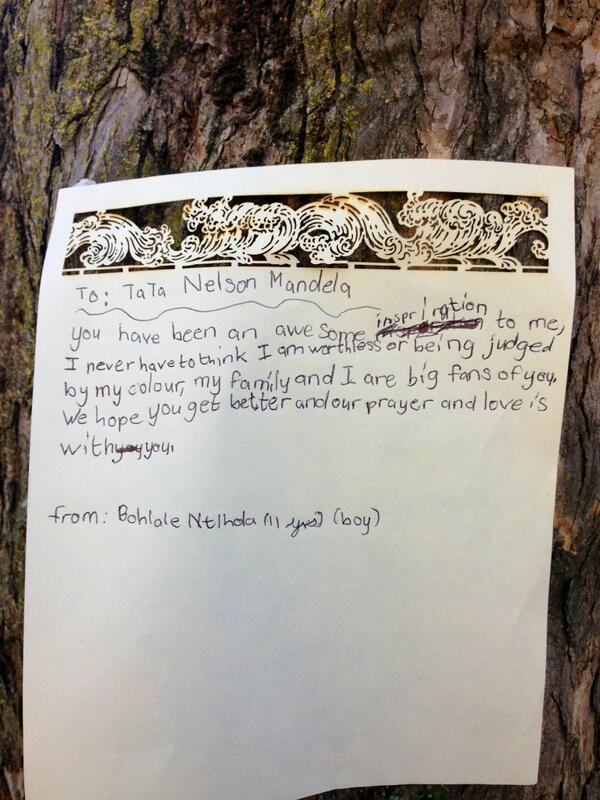
Whilst one of the world’s greatest statesmen, Nelson Mandela, is fighting for his life – his family is bickering… They are bickering about the burial site of the Rainbow Nation’s Icon, their father and grandfather.
The family are torn between Nelson Mandela’s favorite grandson Mandla, who wants him buried at his Mvezo birthplace, and the rest of the family, who feel that his wish to be buried next to his children should be respected.
The chieftain had moved the remains of his father Makgatho, who died of an Aids-related illness in 2005; his aunt Makaziwe, who died in 1948 at only nine months; and uncle Thembekile, who was killed in a car accident in 1969, to Mvezo. This is making it impossible for Madiba to be buried next to his children because they are buried in Mvezo. Mandela is going to be buried in Qunu. . Mvezo is the birthplace and the traditional home of the Mandelas, and thereby lies its historic and heritage significance. Qunu is the rural home of Nelson Mandela.
So whilst this brave warrior is edging closer to death his family have to make decisions that may rip the family apart.
“Beyond this place of wrath and tearsLooms but the Horror of the Shade,And yet the menace of the yearsFinds, and shall find, me unafraid.”
“The passage towards death is a difficult journey,” an ANC activist told Channel 4 News. “This country needs to celebrate his life, rather than let his death become a source of conflict. There is thing that we all unite on: all of us love Mandela. This nation will sink into deep mourning when he finally leaves us, no matter how prepared we think we might have been.”
Will the Mandela family unite in this time of sorrow or will they bring dishonour to this icon’s name?
In the meantime, South Africans are united in prayer. United in our desire for this amazing man to be allowed to die with dignity. That his family will behave with dignity and decorum…. Make Nelson Mandela proud….
Today the concrete foundation was laid of our Stepping Stone Hospice’s building.
26.6.2013
It was a “moment” when I saw the concrete being poured. The builder, bless his soul, ordered extra cement and we now have a veranda area as well as a concrete path where our patients will leave our building for the last time… We also received a donation of a oxygenator.
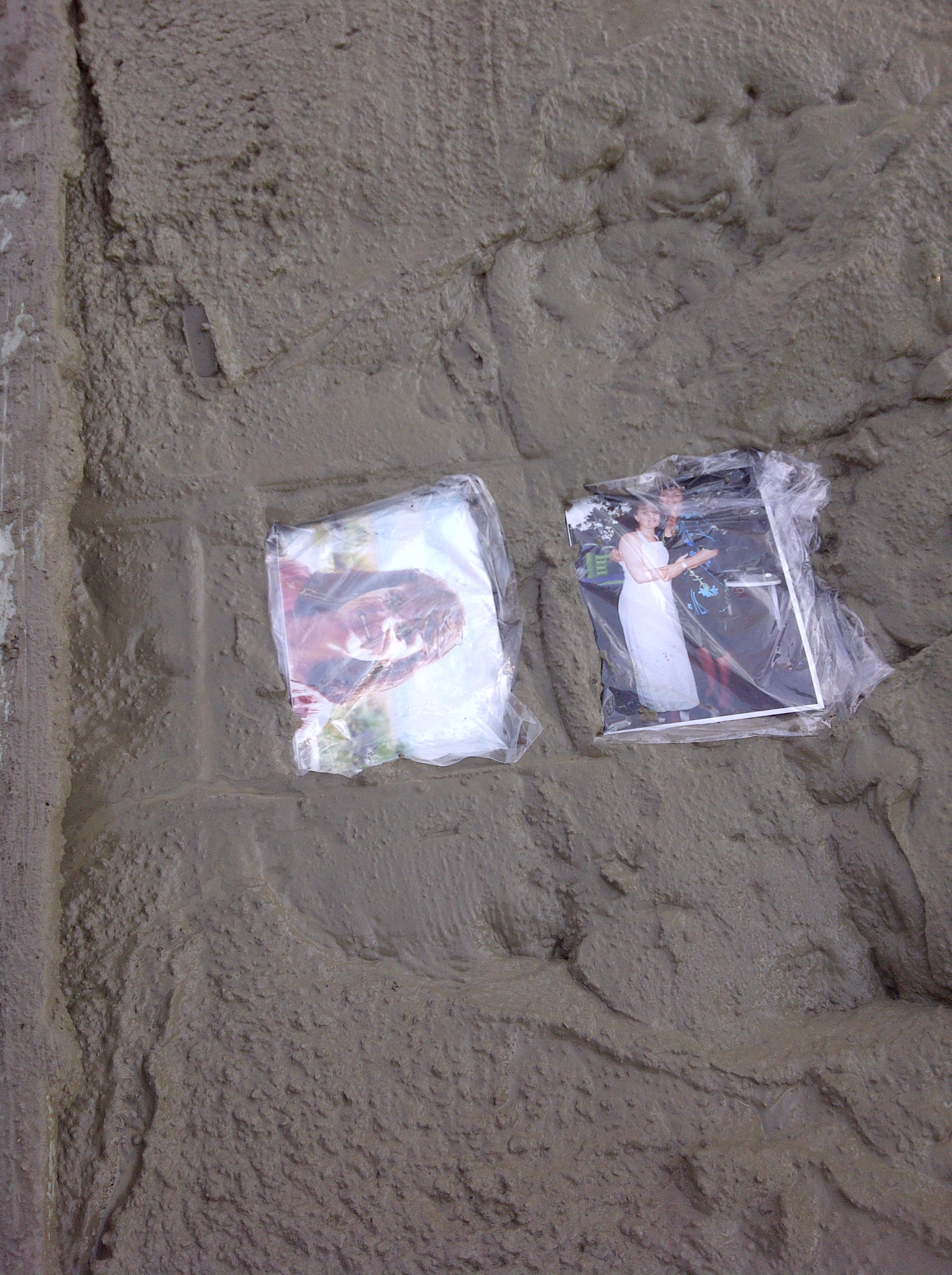
I asked the builder if I could put a photo of Vic’s into the foundation of the building. He thought it was a wonderful idea. I phoned the boys, and they brought me their favorite photos of Vic and I. We placed it in plastic sleeves and embedded it in the foundation. It was covered with concrete.
Vic has been immortalised in the foundation of Stepping Stone Hospice.
Perhaps because Vic was cremated, it was an emotional moment for all of us seeing her being “buried” in cement. I know it was purely symbolic, but it was sad.
I am glad the day is over. I am grateful that I am one day closer to being reunited with my precious child.
Tonight I fulfilled one more of Vic’s wishes.
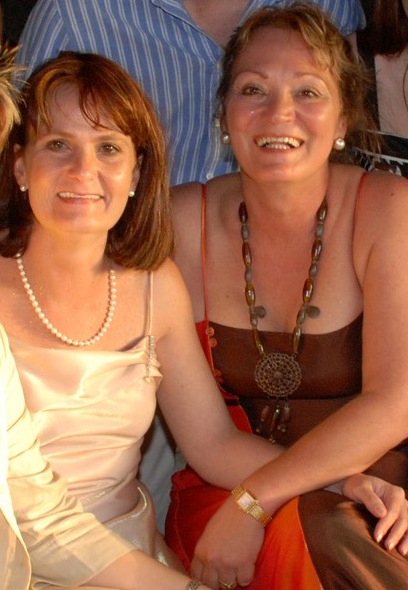
Twenty five years ago Vic was the bridesmaid at my brother and sister-in-laws wedding. She looked beautiful in a real grown-up pink dress… They gave her a string of perfect little pearls which she treasured and wore on very special occasions.
After Vic died I came across the string of pearls with a little note.
The note read: “25 years ago Johan and Henda gave me these because I was their bridesmaid. I would like to now return it to them…”
She wrote them a note telling them how much she loved them. She told my brother that he was her hero. She told my sister-in-law that she was amazing….
A gentle death, when comfort, caring, and presence are priorities, is invariable a death at home or in the peaceful surroundings of a Hospice In-Patient Unit. The opportunity to have your loved one drift away peacefully, in the comfort of their own home, in their favourite bed or in your arms, with their loved ones there at their side, is truly a gift of immeasurable worth.
Too often doctors keep treating the actively dying person aggressively. The ill person accepts the aggressive treatments doctors keep piling on them even though there is no benefit to be derived from it. At this stage of the terminally ill patient their medical care controls their lives. Pain, NG tubes, stomach tubing, IV tubing, catheters…. They remain hooked up to all sorts of beeping, pumping devices until the bitter end. We are conditioned to accept aggressive life-prolonging treatment that often destroys our family’s financial stability and quality of life.
2007
This is what the medical profession is trained to do. To heal…
It is so hard to die with all the medical technology and treatments available. People no longer die of heart attacks. People go onto preventative cholesterol and blood pressure treatments. They become old enough to develop Alzheimers…
What changes have occurred which mean we are now living longer than previous generations?
During the twentieth century, life expectancy rose dramatically amongst the world’s wealthiest populations from around 50 to over 75 years. This increase can be attributed to a number of factors including improvements in public health, nutrition and medicine. Vaccinations and antibiotics greatly reduced deaths in childhood, health and safety in manual workplaces improved and fewer people smoked. As a result of this – coupled with a decline in the fertility rate – many major industrial countries are facing an ageing population.
According to UN statistics for the period 2005 – 2010, Japan has the world’s highest life of expectancy of 82.6 years followed by Hong Kong 82.2 years and Iceland 81.8 year). The world average is 67.2 years and the UK average is 79.4 years. The average South African is expected to live to at least 60 years, an increased figure when compared with the 2005 figure of 53 years. .
During the Roman Empire, Romans had an approximate life expectancy of 22 to 25 years. In 1900, the world life expectancy was approximately 30 years, and in 1985 it was about 62 years, just five years short of today’s life expectancy.
Why are we living longer? Well in South Africa or even Africa it is because of revised HIV Anti Retro Vital policies. HIV has become a chronic illness. It is no longer a life-threatening illness. As long as you take your ARV’s you will be fine!
Improved food packaging and an increased awareness of the nutritional value of food have led to healthier lifestyles. Increased fitness levels and the reduction of smoking have also paid a major contribution in increasing life expectancy world-wide.
Adverts on buses and tubes inform us of the importance of washing our hands and covering our mouths when we cough or sneeze in order to reduce the spread of illnesses and diseases. Health and safety legislation provides strict regulations for hygiene in restaurants, hospitals and factories.
This is great but we have an increasing older population suffering from diseases like Alzheimers and Parkinson’s. I don’t believe that it is the environment or lifestyle that has led to this. Years ago people simply died younger… Our grandparents were OLD at the age of 60. Now 70 year olds have knee replacements and still play sport.
Vic was diagnosed at the age of 18 months with Osteogenesis Imperfecta. At the time it was a death sentence. I remember the professor telling us that she would not live to the age of 12.
We celebrated her 12th birthday, her 16th, 18th, 21 and 30th birthdays…We celebrated her 38th birthday. Every birthday from her 27th birthday became more difficult. The doctors and I fought to keep her alive.
Keeping her alive came at a price. Eight one (81) abdominal surgeries, literally years in hospitals, pipes and tubes in every orifice of my child’s little body, prodding and prying by strangers hands. She was stripped of her dignity. At times litres of faecal matter poured out of her intestines into bags and bottles….She had to drink revolting liquids, tablets crushed and vomit until she fractured vertebrae.
Why did we not allow her to die with dignity? Why did we fight for her life? Why did we sentence this poor child a violent life filled with suffering and pain? Because I was selfish. I drilled fighting and survival into her little brain from the age of 18 months. Vic did not know how to not fight.
The greatest gift I ever gave Vic was to respect her wishes and allow her to die. It was the most difficult thing I have ever had to do… Retreat and not fight!
July 2012
St. Francis of Assisi portrays death as “kind and gentle” in the hymn “All Creatures of our God and King”. This is certainly a minority view in our culture and faith. It speaks of a familiarity with death that seems to have been more prevalent in previous generations than it is today. Society sanitizes death. In a culture devoted to the avoidance of suffering, a culture that lives as if this life were all there is, it’s not surprising that we relegate death to the morticians. Morticians do the final honour. They wash and prepare our dead for the last time…
We avoid the sick and funerals. We relegate our dying to a noisy hospital room with beeping machines and staff on a schedule. No gentle music and candles – just harsh hospital lights and a lot of noise 24 hours a day. Hospitals are not trained in palliative care – only curing.
When someone is dying, everyone has to wait. It takes time. All of us have a different timetable. Some wait mere hours. Some drag on for days, others, weeks. It is a lesson in patience. And it is a time when “being” edges ahead of “doing”, and just being present your loved one’s bedside is seen as the ultimate act of service.
We must allow our dying and infirm to die a gentle death. We must HEAR what they are asking! Are they ASKING for more invasive treatment or the right to die a gentle death?
Vic 15.1.2013
Five months and 7 and a half hours ago I allowed my most precious child to die a gentle death. If I had not ignored her wishes her suffering would have ended many years ago. I have to live with this.
Today it is 5 months since Vic died. I am trying to get Vic’s estate done (not doing well at all!!) and came across a file with a letter addressed to me.
It flashed through my mind…”A letter from heaven!”
It is not a recent letter. It is a letter that Vic wrote years ago. How do I know? It was with her old Last Will and Testament.
I am grateful for the letter. I am heartbroken that I am reading it.
When I started thinking about Father’s Day this year I just became so depressed. I felt that I don’t have any reason to celebrate Father’s Day tomorrow. Today, I was going through Vic’s photos when I realized that it is not true!
My Dad died on the 21st of May 2011 and Vic’s father died on the 5th of November 1999.
Vic and her Gramps 1.4.2011
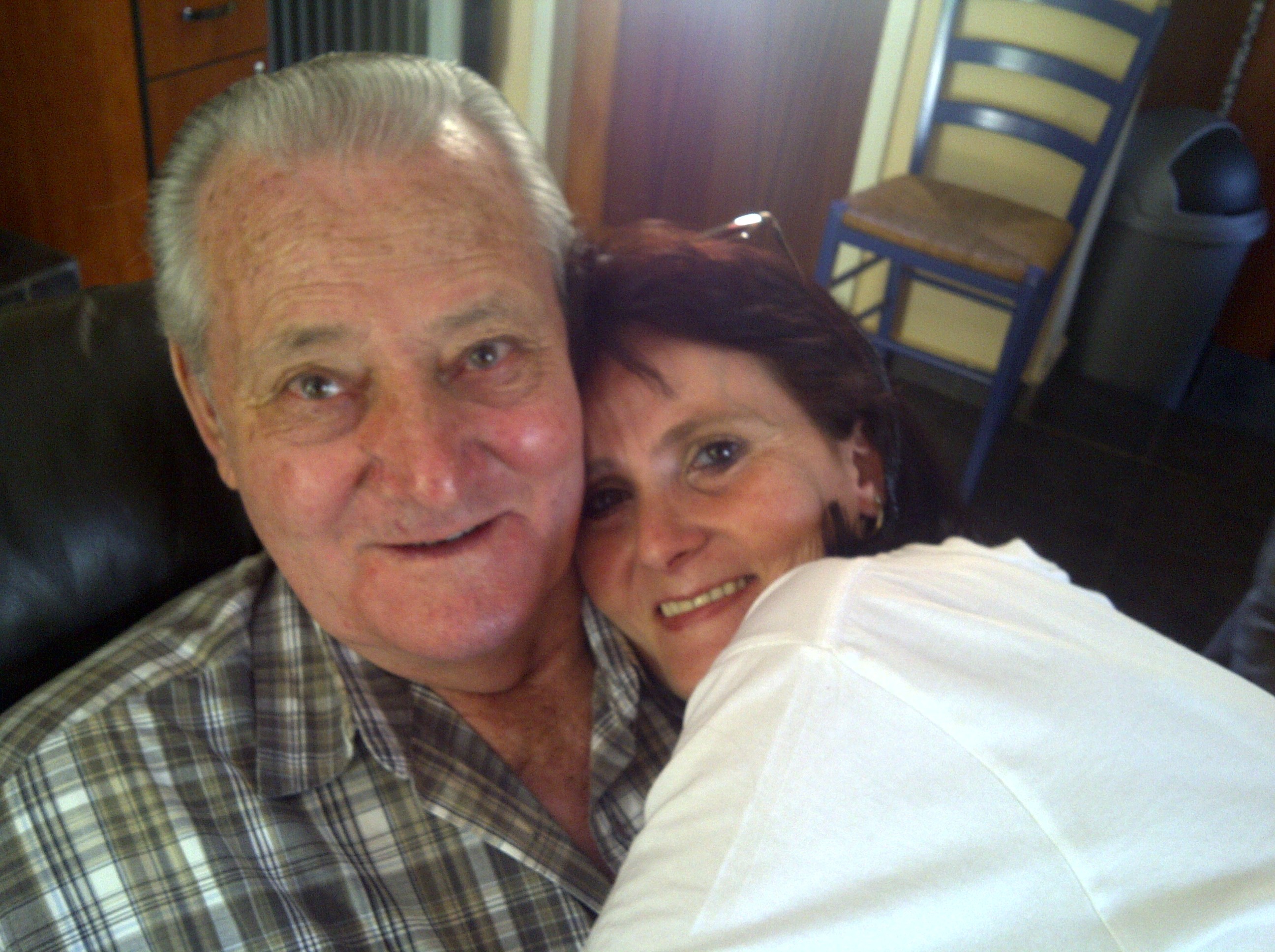
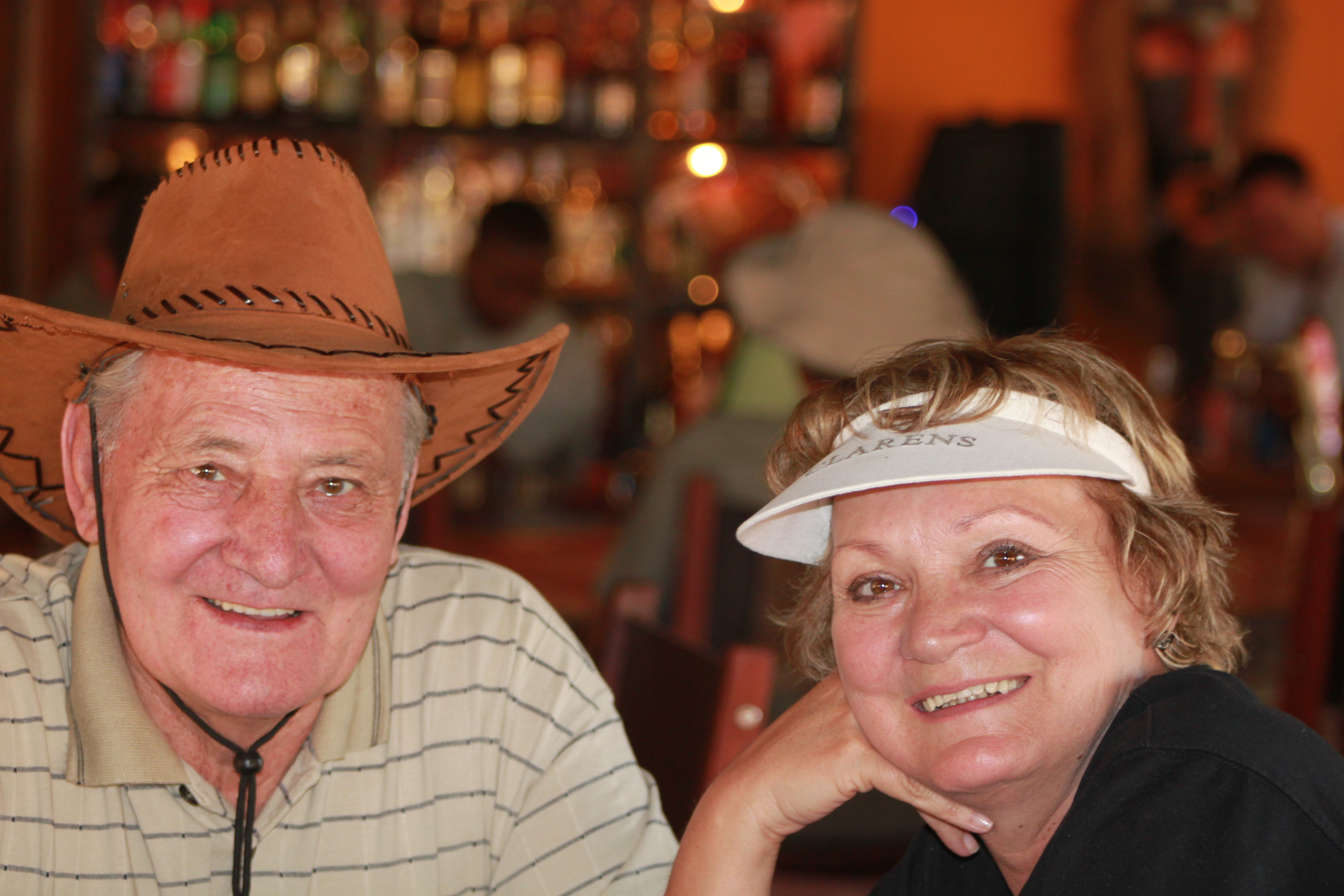
I was single for most of Vic’s young life. For most of her little life my Dad was her Dad. Her Gramps taught her how to play cards and have a night cap….When Gramps had a nightcap he had to mix her a “drink” that had the exact same colouring as his… They adored one another.
Just about the only thing my dad never forgot was that Vic was ill. He could not remember my name, but he remembered Vic was ill. He forgot whether she was in hospital or not but knew she was ill… My Dad was the greatest father in the world. He not only loved his family but cherished us all.
I grew up in a home with a sickly mother. A childhood back injury lead to many years of suffering and a vicious cycle of back surgery, stomach surgery, back surgery, stomach surgery…. My parents taught us that “love” was a verb – love is an action. We lived 1 Corinthians 13 in our home. We were taught to love, honour and respect. My father was the perfect example of what a husband and father should be.
In my single years I received a couple of proposals. My mom pressured me – she really wanted me to remarry… I always said I will remarry when I meet a man like my Dad. And then I did…
From the day we were married Vic called Danie “Daddy”. Danie’s four children were her siblings.
Danie was absolutely amazing with Vic and her illness. When my dad moved in with us, Danie just accepted it as part of our journey. He was incredibly patient with my Dad who suffered from Alzheimer’s. His selfless, caring nature has allowed me to care for my dad and my child; to pursue my career and start-up Stepping Stone Hospice.
Danie was a wonderful dad to Vic. She distinguished between Danie and Tienie (her biological father) by referring to Danie as “Daddy” and Tienie as her father. She absolutely adored Danie. Danie loved Vic as if she was his own.
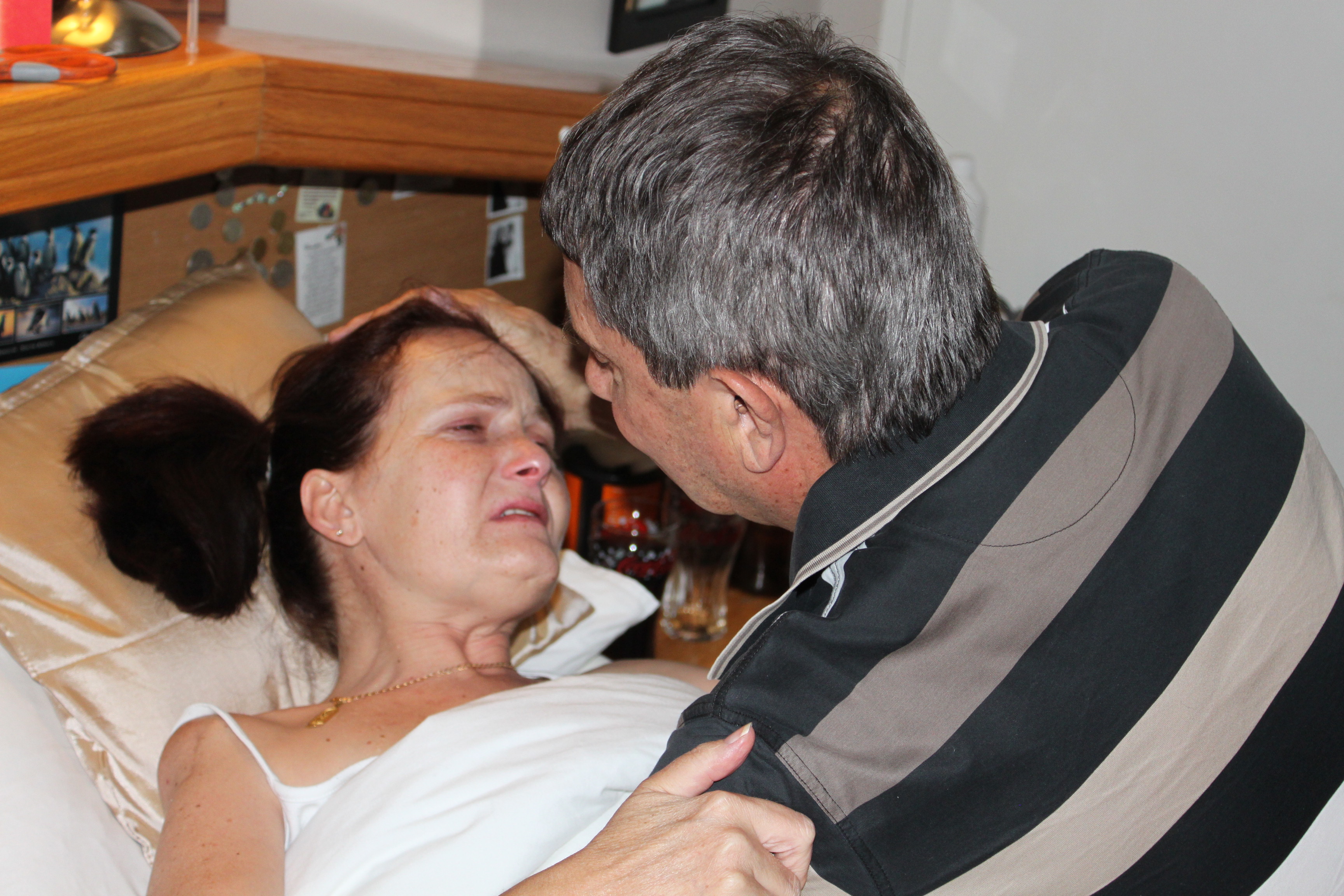
In the final days of Vic’s life she pleaded with him to not leave her.
“Don’t leave me Daddy”
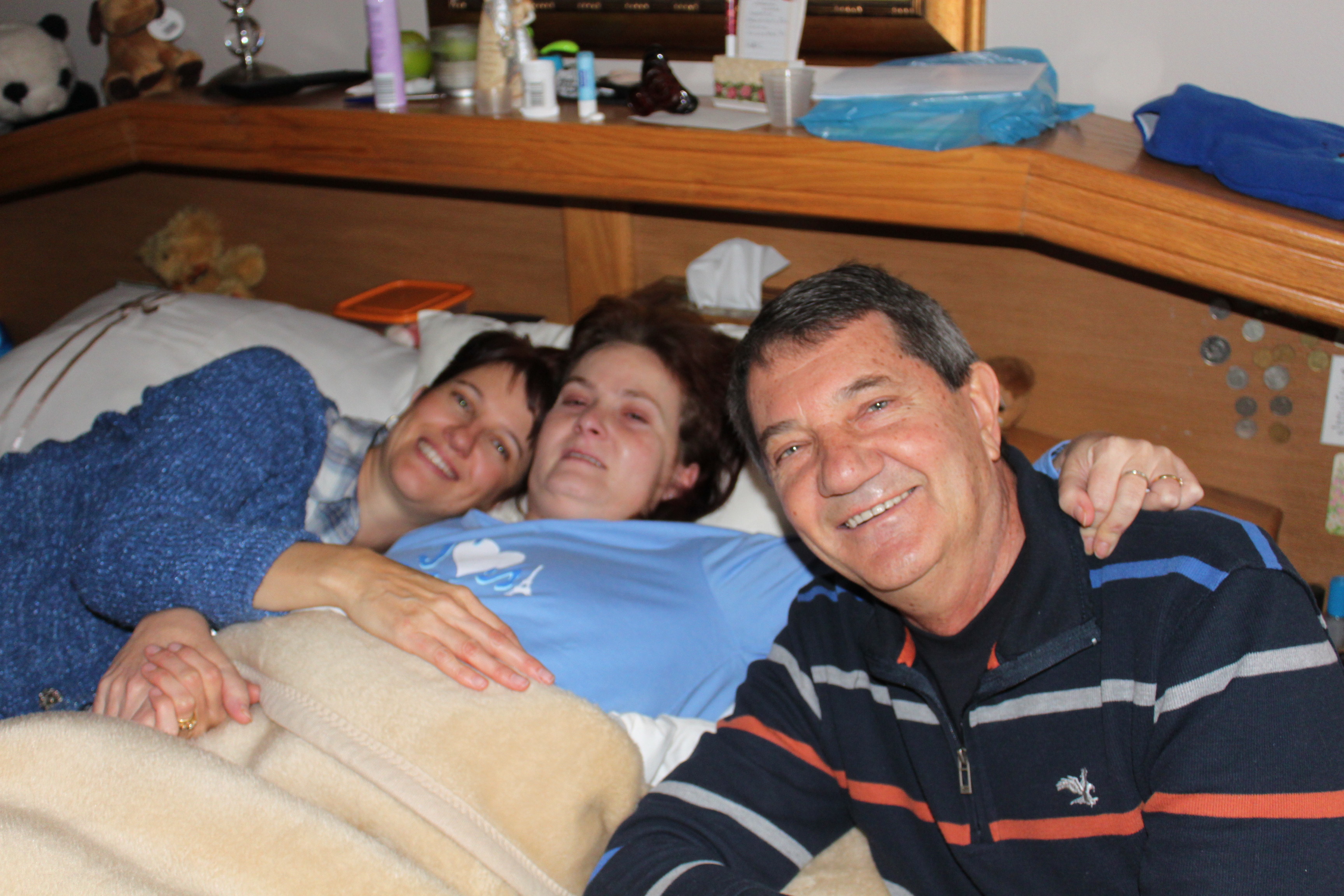
A couple of days before her death Vic saw her father… Jared was standing at the bottom of her bed and she said “Look Jared, Oupa Tienie is standing behind you…” Her dad held her hand as she stopped breathing. Her father took her hand as she stopped breathing…
When I packed up Vic’s cupboards I found the cardigan she had bought Danie for Father’s Day this year… This year she will celebrate Father’s Day with her father and Danie will wear his cardigan.
Father’s Day and Mother’s Day were special days for Vic. She loved spoiling and being spoilt!
Vic was desperately ill last year on Father’s Day. I cooked a large family lunch and all the Gauteng kids and grandkids came for lunch. Vic tried to have lunch with us but within minutes she was nauseous. I remember her eyes filling up with tears when she excused herself from the table. “I am sorry Daddy” she said.
Father’s Day 2012
Later that afternoon Danie’s eldest daughter lay next to her in bed. They wept together. Danie sat with them filled with grief for the pain Vic was going through.
Danie is an amazing grandfather. He loves Vic’s boys as much as he loves his “biological” grandchildren. He enjoys spending time with them. He is teaching them the value of family, goodness and love!
This beautiful man is more than I deserve. I love him with every fiber of my body. I am grateful to him for the gift of his children and grandchildren every day of my life. I am grateful that he taught me the biggest commandment of all – love!
So tonight I salute two wonderful men. Happy Father’s Day Daddy. Danie, you are my best friend. I love you with every fibre in my body. Thank you so much for being such a wonderful daddy to Vic and grandfather to the boys.
Vic’s beloved Daddy and Gramps
Vic, I hope you have fun in Heaven tomorrow with Gramps and your father. I know you will be surrounded and ensconced in love. We will miss you on Father’s Day and every other day in our lives.
This was my song for Vic. I played it for her all the time. We spoke about the words and the meaning of the words.
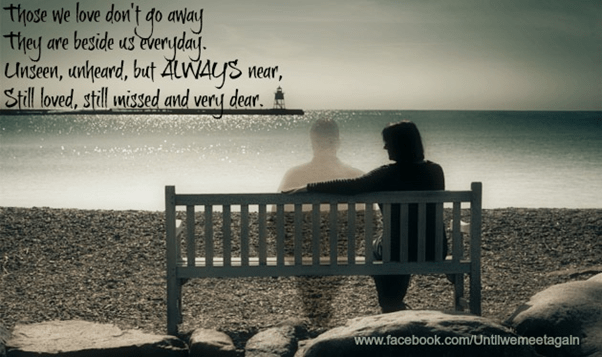
Today it is 21 weeks since I have been able to touch my child, hold her, brush her hair. I know that she is around me, but I feel so alone without her. Vic was my dearest friend, my companion, my daughter, my soul mate.
Yes, Vic is in my heart. Not a minute goes by that I don’t think of her, miss her…. But I really want her to be with me. When will this pain end? When will I come to terms with the fact that I am alone now.
Yes, I know I am surrounded by people who love me…I know they are worried about me… But nobody can fill the void that Vic’s death has left.
I feel alone even when I am surrounded by lots of people, family….
Nothing in the world could have prepared me for this thing called “grief”. This devastating sorrow.
This weekend I will work in the garden and start preparing Vic’s Angel Garden. I don’t want my child in a friggin garden – I want her in my home. I want her sneaking up behind me and kissing me on the cheek. I want to hear her voice saying “I love you Mommy”. I want to tell her how much I love her.
I want to hear her talking to her boys. Telling them she loves them the “mostest in the world”; reminding them to brush their teeth
I don’t want to feel this sorrow and pain. I want to be happy again.
Thinking of You with Love
We thought of you with love today,
but that is nothing new.
We thought about you yesterday,
and days before that too.
We think of you in silence,
we often speak your name.
All we have are memories,
and your picture in a frame.
Your memory is our keepsake,
with which we will never part.
God has you in His keeping,
we have you in our hearts.
A million times we`ve wanted you.
A million times we cried.
If love could only have saved you,
you never would have died.
It broke our hearts to lose you.
But you didn`t go alone.
For a part of us went with you…
the day God called you Home.
~Author Unknown
.jpg)







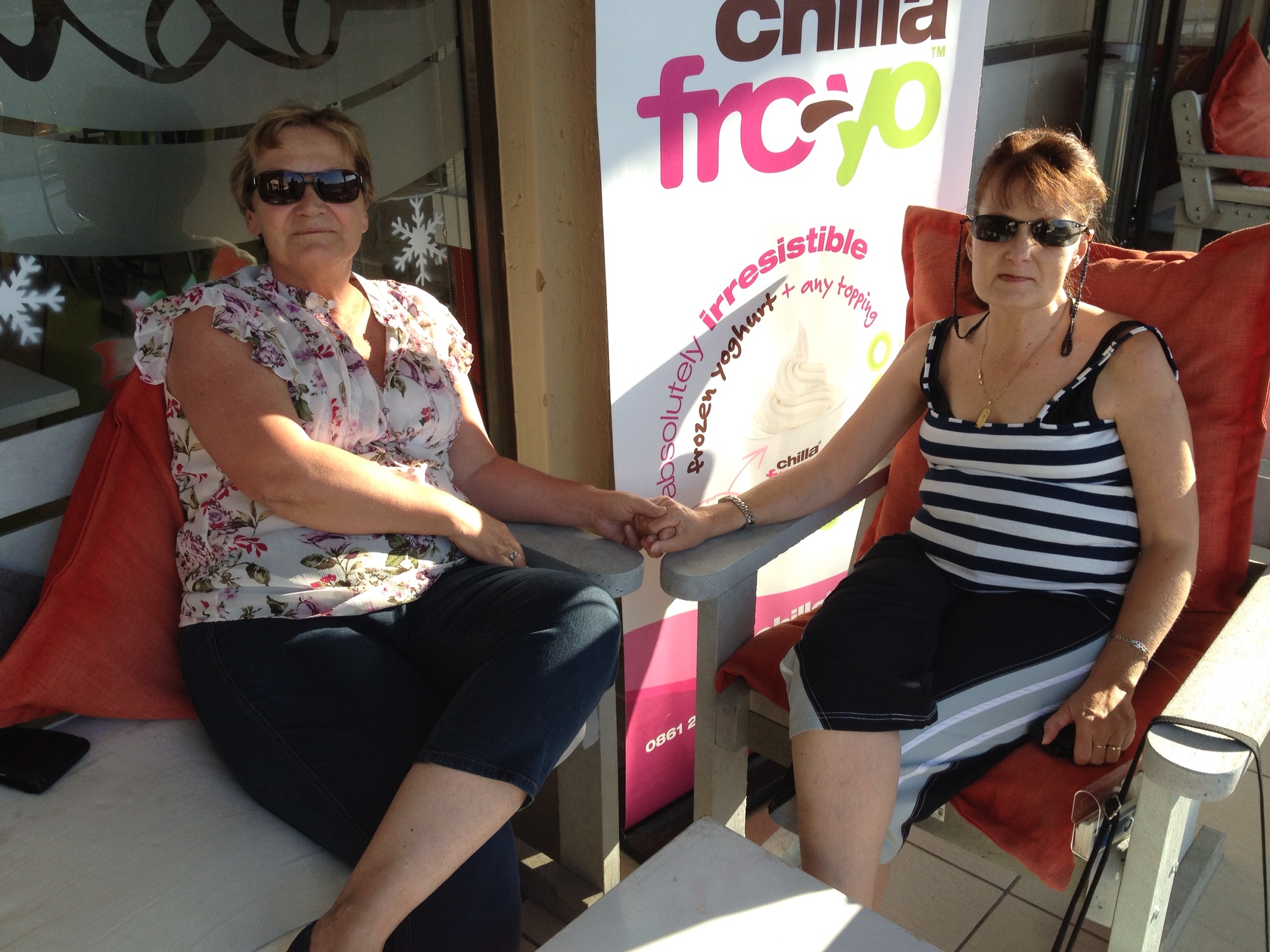
 Vic's Final Journey