dead woman walking


My post of one year ago.  IMG_8510Reading through this post, retracing last year, I can only thank God my baby girl’s suffering is over.  Do I miss her?  With every fibre in my body.  At times I feel as if I am drowning in my grief.  At other times I am so grateful that my prayers were answered and that my little Angle now runs, free of pain, Last night I had a discussion with someone who Vic loves very dearly.  This friend of Vic has spent endless hours, days, weeks and months in hospital with Vic.  She is actually the only person that has truly travelled this horrific journey with us.  Vic has lived through many death sentences and reprieves.  Lee has been around for at least the past 7 years of Vic’s journey.  Lee has nursed Vic back to health many times and I know she cares deeply for her friend.

I discussed the various treatment options with her.  Do I insist on having a stent fitted or do I request feeding tubes?  Or do I go with Vic’s non-intervention wish?  But if I comply how do I bring calmness and peace in Vic’s life?  Vic is no exception to the rule…As Bella (the Minister) pointed out last night: even Jesus of NAZARETH feared death….Fearing death is as natural as breathing is to us.

Last night I decided no sedation.  If I allow sedation, which is against her wishes, I would silence Vic’s voice, her fears and her tears.

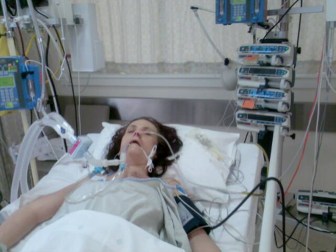
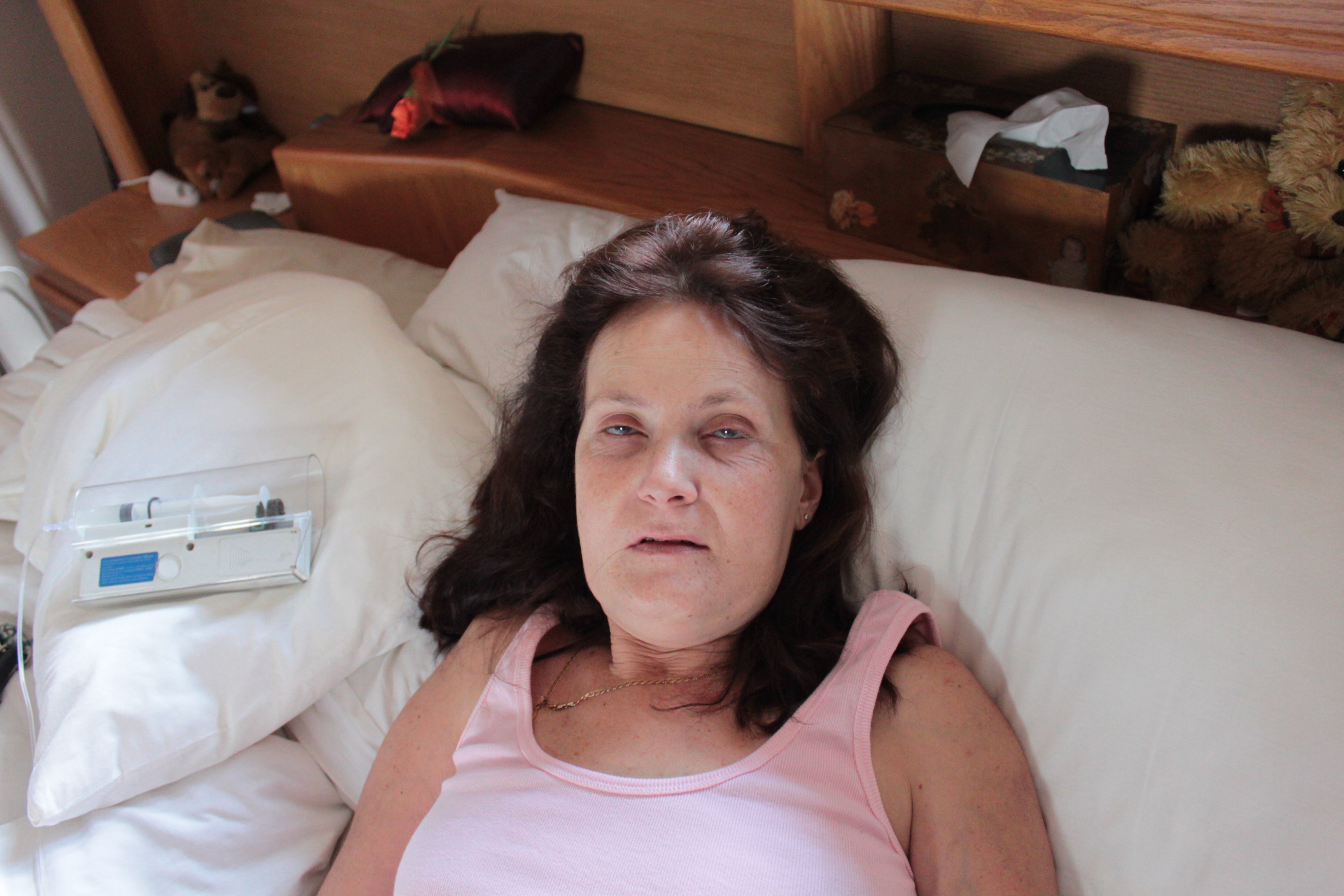
Dr Sue says the bleeding is from the abdomen.  Her Oesophagus, throat and mouth are covered in a mass of sores from all the vomiting.  Her breathing is shallow and her heart rate weak but very rapid.  Her blood pressure is dropping and her circulation is poor.  The liver is very enlarged.

We are past the point of no return.  Vicky is dying and only a miracle can save her.  There is no operation, no magic medication.  Nothing can save her.

Today I again witnessed her anguish and phenomenal will to live. 

I had a dream.  I saw Vic being escorted, in deadly silence, down a long dark passage.  Her family and friends were escorting her on her final walk into the chamber of death.  I clearly saw the fear in her eyes and I could feel her little body trembling with fear.  I heard a voice saying “Dead woman walking…”

I saw her walk into the Chamber of Death, being strapped down, and the needle being inserted into her little arm.  In my dream I was the head warden and my eyes were flitting between the clock and a telephone…Would there be another reprieve??

Then I woke.

It is so cruel.  For all of us.  Why do people linger?  Why don’t we all just go to sleep and never wake up?  Or die in a car accident?  Why this suffering???  I want to go to sleep and never wake up.  Life sucks!

Vic is on a mild sedation.  She is more calm and peaceful than she has been for a couple of weeks.  She woke up this evening and had dinner…half a hamburger!!  My little take-away queen!! She only vomited at 11.30 pm so she managed to actually keep down the food.  She has passed no urine today.

She sobbed when I told her the boys had covered their school books…”I want to do it for them!”  She wailed

“I have let down my boys.  I always cover their books…”

The boys were in her room when Vic said “Oh Jared, look!  Oupa Tienie is standing behind you…”  It really spooked the boys.  Tienie, Vic’s biological father, died on the 5th of November 1999…

Her angels have come to fetch her.

I wish Vic was married.  I wish her biological father was still alive!  I wish the decision was not mine!!!

Tomorrow I will ask that the sedation be increased.  I will silence my child’s sweet voice.  I will also silence her tears and fears.

“Dead woman walking…”
“Being prepared to die is one of the greatest secrets of living.” George Lincoln Rockwell


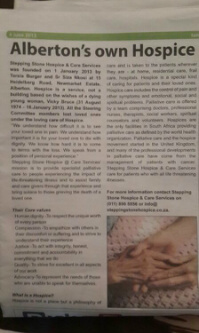
It is strange the number of Stepping Stone Hospice referrals we have received over the past two weeks.  The patients have controlled pain and symptoms.  Many caregivers are also looking for a dumping ground.

Pain at the end of life is inescapably interwoven with, and often amplified by, multiple levels of emotional and spiritual angst as the inevitability of death looms. Fear, a potent pain magnifier, is the dominant emotion – fear of pain, fear of death, fear of the unknown…..

It is a fact that people at the end of life fear pain even more than they fear death. Sadly, for many dying patients, pain seems like the ultimate torment, and death is its cure. It does not have to be this way, and if you or a loved one is facing death, you have every right to ask that your final days not be consumed by pain.

It is estimated that a maximum of 5% of people who die from terminal illnesses in South Africa have access to adequate palliative care. Even in hospitals, treatment is far from ideal, because doctors and nurses have seldom had training in palliative care and have little idea of what to do with the patients.

Dying patients are often prey to a host of anxieties about the state of their affairs, about the fate of those who will grieve their loss, and about how their behaviour will be seen, and possibly judged, during their final hours. And of course, there are often deep spiritual and religious questions to address. Did my life have meaning? Will my soul survive my body? Am I at peace with myself, my family, and my friends?

Not least of all these concerns, people at the end of life worry about how their pain will be managed. Will they be under medicated and have to ask, or even beg for relief? Will they be over-medicated and lose consciousness during their precious waning days and hours?

They may even be afraid to complain. If they do, will they be seen as whiners or quitters? If they ask for narcotics, will they be judged by their doctors as drug seeking, drug addicts or even cowardly? Or will their medical care be relegated to comfort measures only, while all efforts to cure their illness are suspended?

I read the post of an amazing woman who is suffering from congenital heart failure.  She is in so much pain.  I cried when I read her post.  http://thedrsays.org/2012/11/08/  She replied to a question whether better pain control was possible…..  “there is nothing that will let me participate in life and have relief. so at this point i am going for being lucid over some so-so pain relief. who knows how long before i cave. when the time comes i plan to take advantage of whatever is available to me. just my personal choice right now.”

I thank God that we are able to make a difference!

“Being prepared to die is one of the greatest secrets of living.” George Lincoln Rockwell

IMG_7852

IMG-20111004-00320

rey10533_fm-1

A mother’s loss…


“No one loses a child the way a mother loses one. We are the ones who first felt life, carried it and protected them, nourished them, sacrificed our bodies for them, held them first in our hearts, then first into our arms. We were not only connected through flesh, but on levels so deep, you really have nothing to compare it too metaphysically.

It is a love so raw, and so elemental that is just present – just there from the beginning. We have a link to our children that cannot be replicated. No one understands a grieving mother except for another grieving mother. No one else can begin to understand that void that surrounds us, shadows us, haunts us. Our children’s screams that we can no longer answer, their bodies we can no longer grab and embrace, their tears we can no longer dry, and their hurts that we can no longer make better. They then become our own unanswered screams, our bodies that become un-embraceable, our tears that can never be dried and our hurts that never stop. There are constant reminders of what we live without, and must live without until we die – sometimes it feels like it’s life’s cruel way of taunting us. The grieving mother is never whole again, never fully present, because a piece of her heart and soul leave her with her child’s last breath.”

https://www.facebook.com/WingsofHopeLivingForward

May God have mercy on us…

What is the difference between “dementia” and “Alzheimer’s disease”?


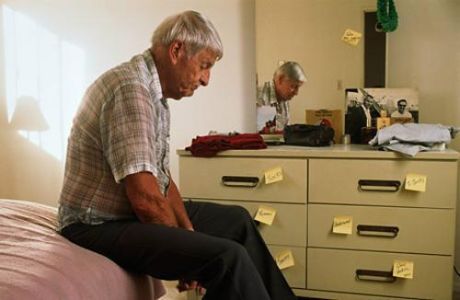
The heartbreaking description of a person with Alzheimer’s disease illustrates what a precious thing we have in the gift of memory. Memory gives us a past and enables us to plan for a future. We enjoy routines in our daily cycle and retrace our steps. Without memory, all we have is the present – no more. Everybody is a stranger. Calendars don’t make sense. Even mirrors are confusing, because there is somebody else here in the room.

Ecclesiastes 12:1 suggests that we should remember our Creator when we are young, because days of trouble will come. The implication is that we will forget even our God. Declining mental abilities are well-known symptoms of increasing age. In 1906 Dr. Alois Alzheimer, a German physician, did a brain autopsy on one of his elderly patients who had died after years of severe memory problems. He was surprised to find tangled nerve cells and dense deposits around them. But it wasn’t until the 1960s that science positively linked them to memory losses. After that it wasn’t long until intense research began to uncover some of the environmental and genetic causes of what is now commonly known as Alzheimer’s disease. http://www.wondermomsworld.com/tag/alzheimer%E2%80%99s-disease/

alzheimers-diseaseIn a nutshell, dementia is a symptom, and AD is the cause of the symptom. When someone is told they have dementia, it means that they have significant memory problems as well as other cognitive difficulties, and that these problems are severe enough to get in the way of daily living…..

Too often, patients and their family members are told by their doctors that the patient has been diagnosed with “a little bit of dementia.” They leave the doctor’s visit with a feeling of relief that at least they don’t have Alzheimer’s disease (AD). 

There is great confusion about the difference between “dementia” and “Alzheimer’s disease.”

The confusion is felt on the part of patients, family members, the media, and even healthcare providers. This article provides information to reduce the confusion by defining and describing these two common and often poorly understood terms. 

“Dementia” is a term that has replaced a more out-of-date word, “senility,” to refer to cognitive changes with advanced age. 

Dementia includes a group of symptoms, the most prominent of which is memory difficulty with additional problems in at least one other area of cognitive functioning, including language, attention, problem solving, spatial skills, judgment, planning, or organization.

alzheimers

These cognitive problems are a noticeable change compared to the person’s cognitive functioning earlier in life and are severe enough to get in the way of normal daily living, such as social and occupational activities.

A good analogy to the term dementia is “fever.”

Fever refers to an elevated temperature, indicating that a person is sick. But it does not give any information about what is causing the sickness. In the same way, dementia means that there is something wrong with a person’s brain, but it does not provide any information about what is causing the memory or cognitive difficulties. Dementia is not a disease; it is the clinical presentation or symptoms of a disease.

There are many possible causes of dementia. Some causes are reversible, such as certain thyroid conditions or vitamin deficiencies. If these underlying problems are identified and treated, then the dementia reverses and the person can return to normal functioning. 

However, most causes of dementia are not reversible. Rather, they are degenerative diseases of the brain that get worse over time. The most common cause of dementia is AD, accounting for as many as 70-80% of all cases of dementia. 

__________________________

Approximately 5.3 million Americans currently live with AD.

As people get older, the prevalence of AD increases, with approximately 50% of people age 85 and older having the disease. It is important to note, however, that although AD is extremely common in later years of life, it is not part of normal aging. For that matter, dementia is not part of normal aging.

If someone has dementia (due to whatever underlying cause), it represents an important problem in need of appropriate diagnosis and treatment by a well-trained healthcare provider who specializes in degenerative diseases.

In a nutshell, dementia is a symptom, and Alzheimer’s Disease is the cause of the symptom.

When someone is told they have dementia, it means that they have significant memory problems as well as other cognitive difficulties, and that these problems are severe enough to get in the way of daily living.

Most of the time, dementia is caused by the specific brain disease, AD.

However, some uncommon degenerative causes of dementia include vascular dementia (also referred to as multi-infarct dementia), frontotemporal dementia, Lewy Body disease, and chronic traumatic encephalopathy.

Contrary to what some people may think, dementia is not a less severe problem, with AD being a more severe problem. 

There is not a continuum with dementia on one side and AD at the extreme.

Rather, there can be early or mild stages of AD, which then progress to moderate and severe stages of the disease.

One reason for the confusion about dementia and AD is that it is not possible to diagnose AD with 100% accuracy while someone is alive. Rather, AD can only truly be diagnosed after death, upon autopsy when the brain tissue is carefully examined by a specialized doctor referred to as a neuropathologist.

During life, a patient can be diagnosed with “probable AD.” This term is used by doctors and researchers to indicate that, based on the person’s symptoms, the course of the symptoms, and the results of various tests, it is very likely that the person will show pathological features of AD when the brain tissue is examined following death.

In specialty memory clinics and research programs, such as the BU ADC, the accuracy of a probable AD diagnosis can be excellent. And with the results of exciting new research, such as that being conducted at the BU ADC, the accuracy of AD diagnosis during life is getting better and better.http://www.alzheimersreadingroom.com/2010/06/whats-difference-between-alzheimers-and.html

This contribution was made by Dr. Robert Stern, Director of the BU ADC Clinical Core.  Source BU ADC Bulletin


Deathbed promises kept and broken


During the month of August I again stood next to a deathbed. It was next to the deathbed of one of our patients.

I was touched by the absolute outpouring of love from the family to the patient. I have seen it at almost every single deathbed I have stood next to…. The second death I ever witnessed was weeks before my mother-in-law died. My Mother-in-Law was in a hospital. The lady opposite her was dying and moved into a dying-room. I was allowed to sit with her. I prayed for her and tried to comfort her. I spoke to her almost non-stop for 11 hours. In the evening her husband came to visit. He was not told that his wife was dying by the hospital staff…

“What is wrong with my wife?” he asked

“She is very ill” I said

“When will she come home?” she asked.

“You must speak to the staff” I said

“They say nothing” he said

“Your wife is dying… I am so sorry.”

I know it was not my place to tell this poor man that his wife was dying. But, if I hadn’t he would have had to live with the fact that hours after visiting hours were over, she died… He got to say goodbye.

I sat with the woman until she died. She was petrified of death. I could see that they were indigent people. Poorer than poor.

She knew she was dying. She was desperately trying to stay alive. Trying to console and calm her I asked her whether she was scared. She nodded. I asked her whether she was worried about something. Again she nodded. I asked her whether she was worried about her children. She again nodded.

In the heat of the moment I promised her I would help her husband look after her children… I made a deathbed promise.

The next day I tried to get her family’s contact details from the hospital. They refused to give it to me.

I have had to live with the fact that I promised a dying woman that I would take care of her children and that I broke that promise.

Extravagant promises to dying loved ones often pose an ethical conflict, defined as when opposing acts each fulfil an ethical value, but neither can achieve both.  The situation also arises when one is tempted to lie to dying friends and loved ones out of kindness. A mother and daughter are involved in a fatal car accident; the daughter is dead, the mother is dying. “Is our daughter all right?” the fading mother asks her husband.

In such a case, it is reasonable and ethical to conclude that the kind answer, “Yes,” is more ethical than the truthful answer, “No.” A promise to a dying loved one may be an exception to the usual rule that it is unethical to make a promise one cannot or will not fulfil.

Often ridiculous and selfish promises are coerced from the loved ones standing next to a death bed. When we stand there we promise freely…we want to give the dying person that final peace of mind.

A classic example of a deathbed promise made in good faith is depicted in the black comedy “Where’s Poppa?” In this movie, the son promises his father, he would never place his senile mother in a home… At the time it was a reasonable promise but becomes increasingly more difficult to keep as the mother becomes more demented and senile. The vicious woman destroys every aspect of his life….

“Promises openly and freely made on the initiative of a dying individual’s loved one are true commitments. Promises coerced by a dying friend or relative and made out of kindness or guilt, on the other hand, should be re-evaluated at a less emotion-charged time. Both varieties of death-bed promises, however, create ethical obligations. They just can’t be as strong as the obligations created by promises to the living.”

I have stuck to every promise I made Vic. Many of the promises were heartbreakingly difficult to keep. Others were easy.

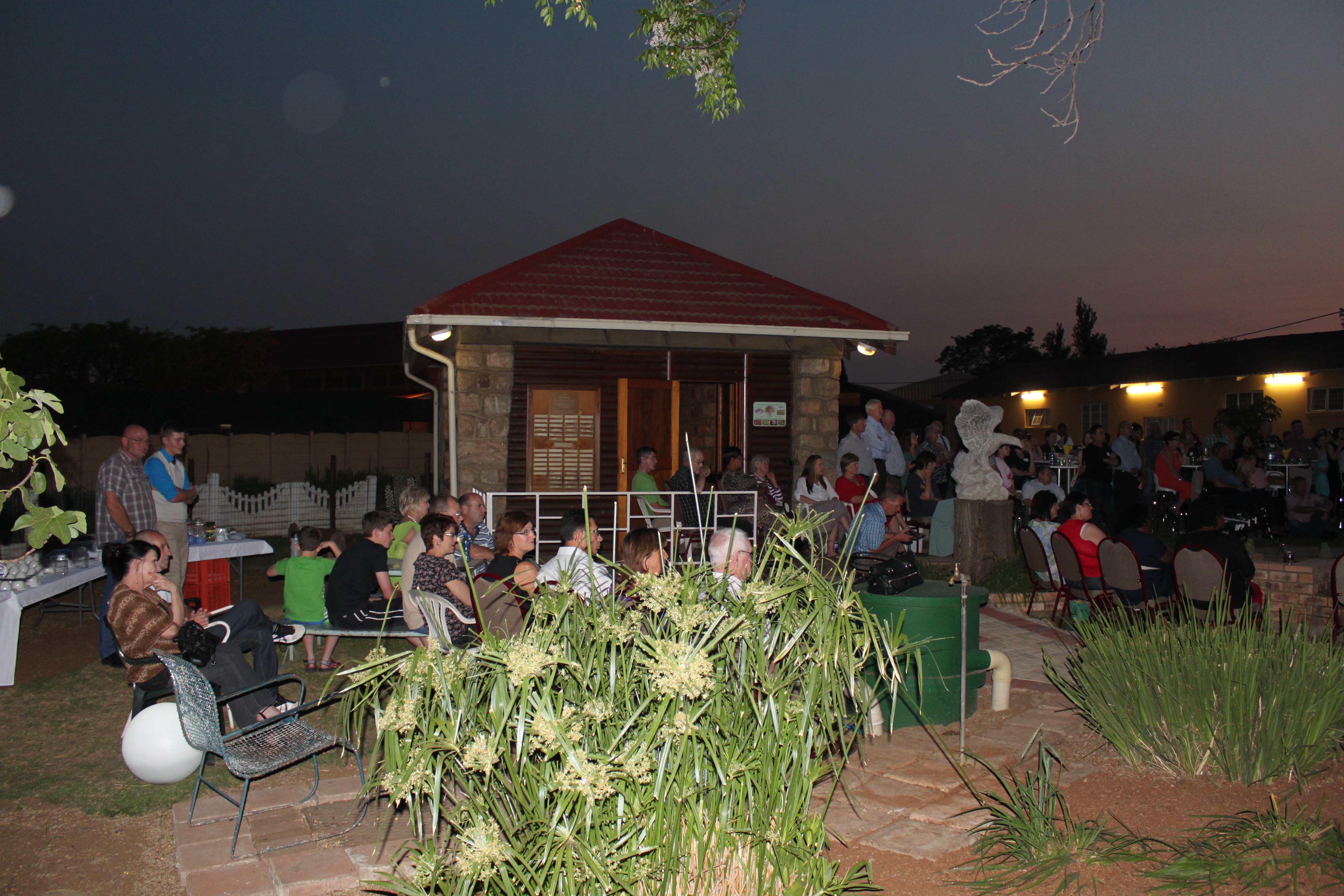
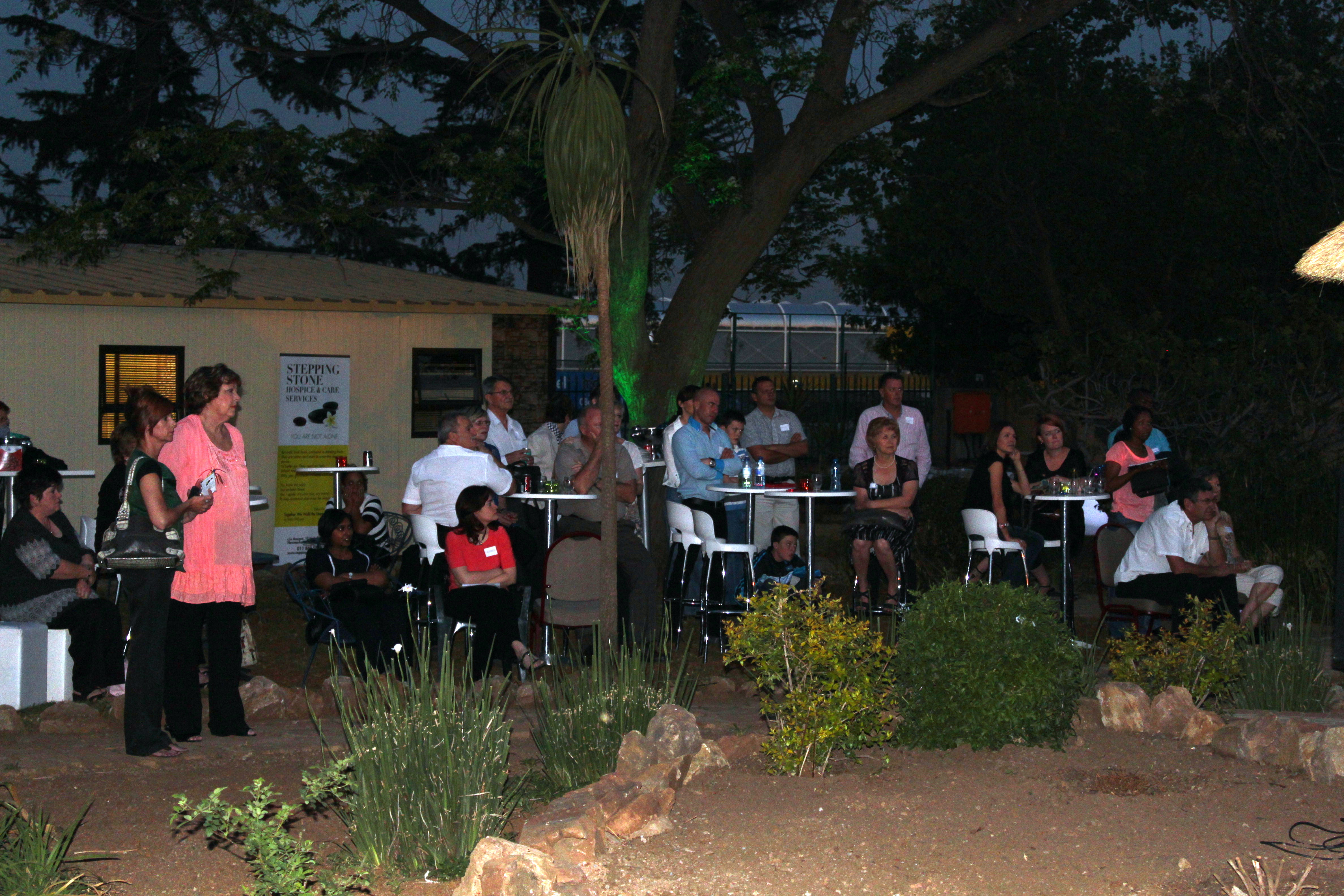
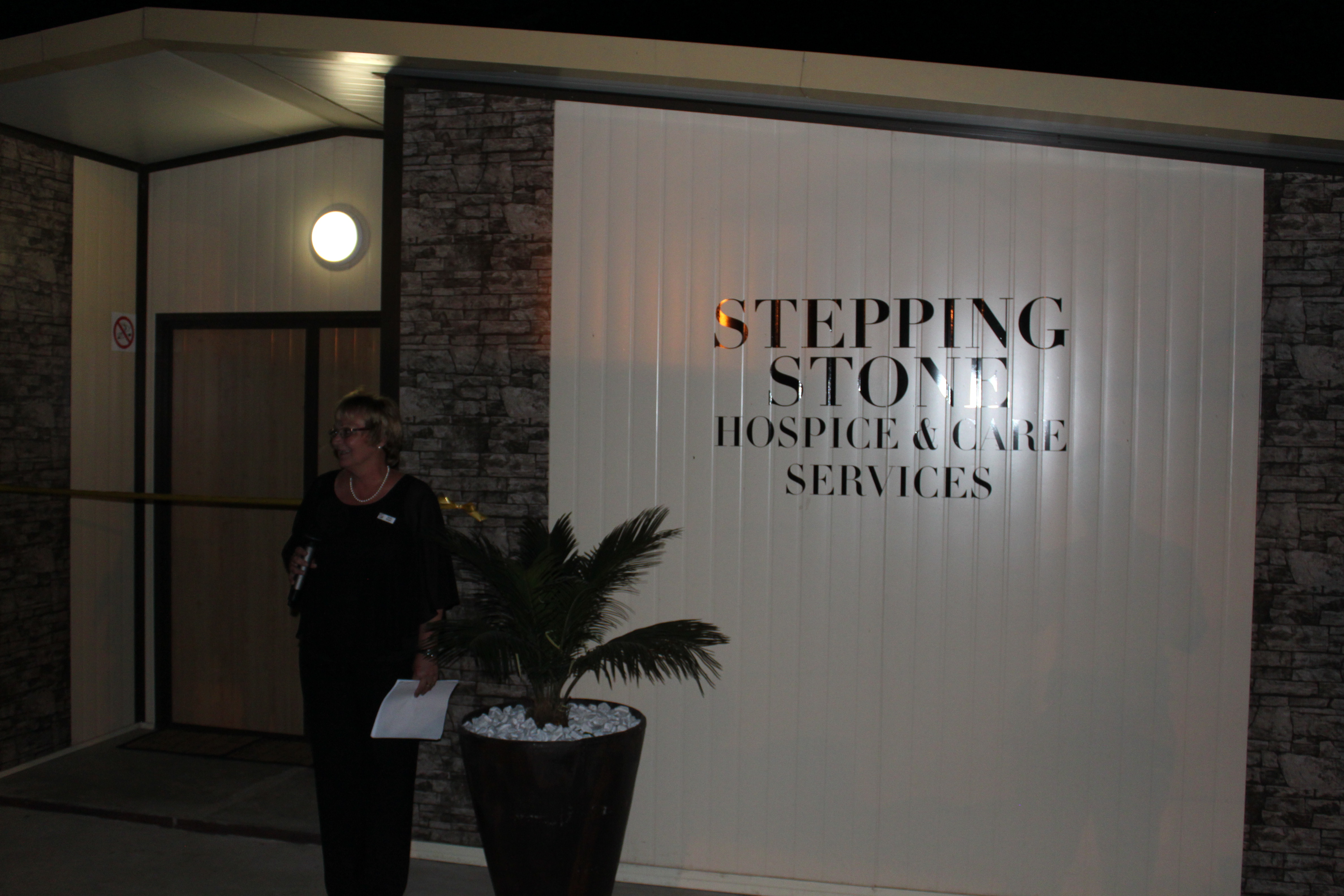
On Wednesday the 9th of October 2013 we had the official opening of Stepping Stone Hospice’s building.

A captive audience
A captive audience

IMG_1321

It is one promise I was able to keep.

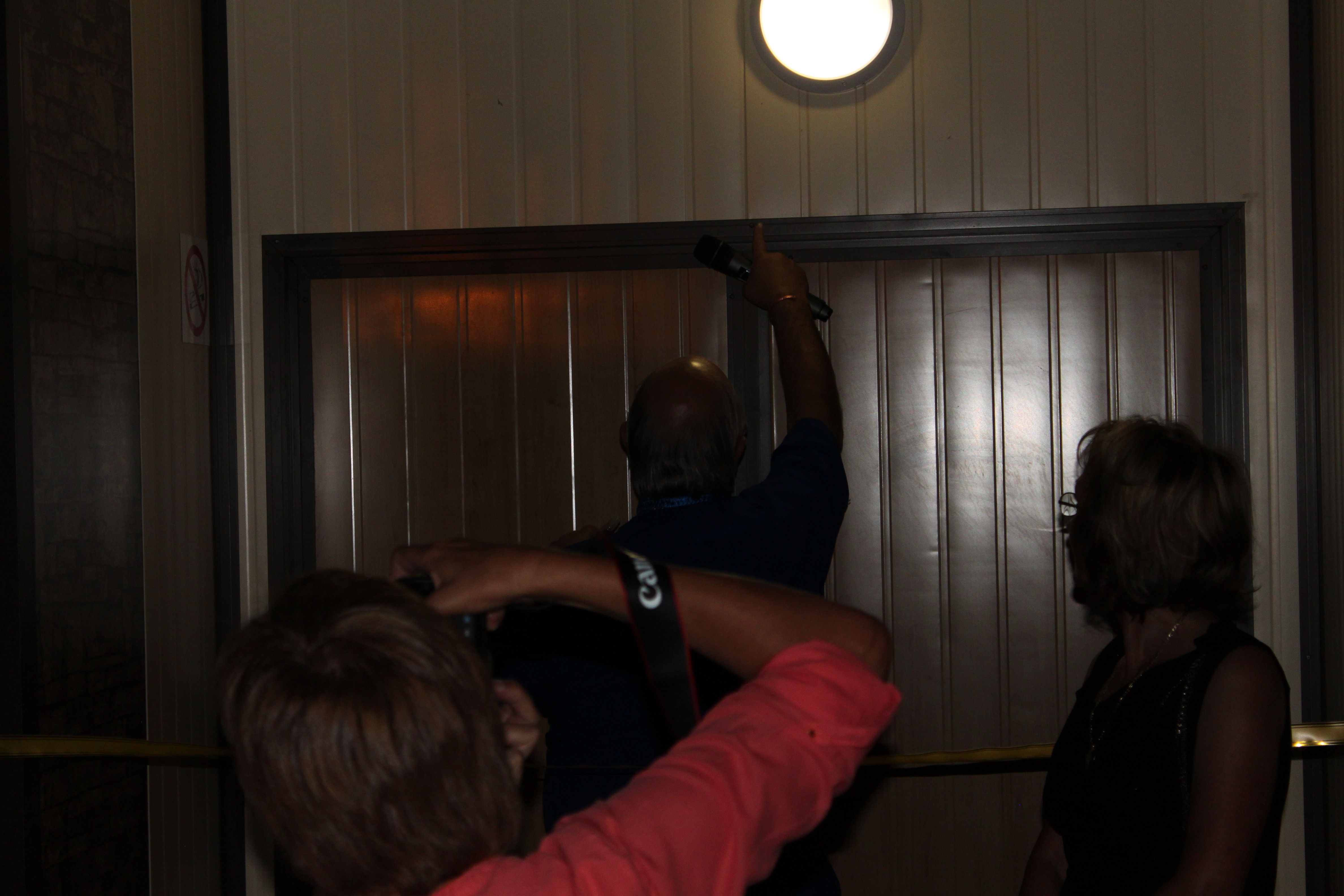
The entrance to Stepping Stone Hospice being blessed

IMG_1344

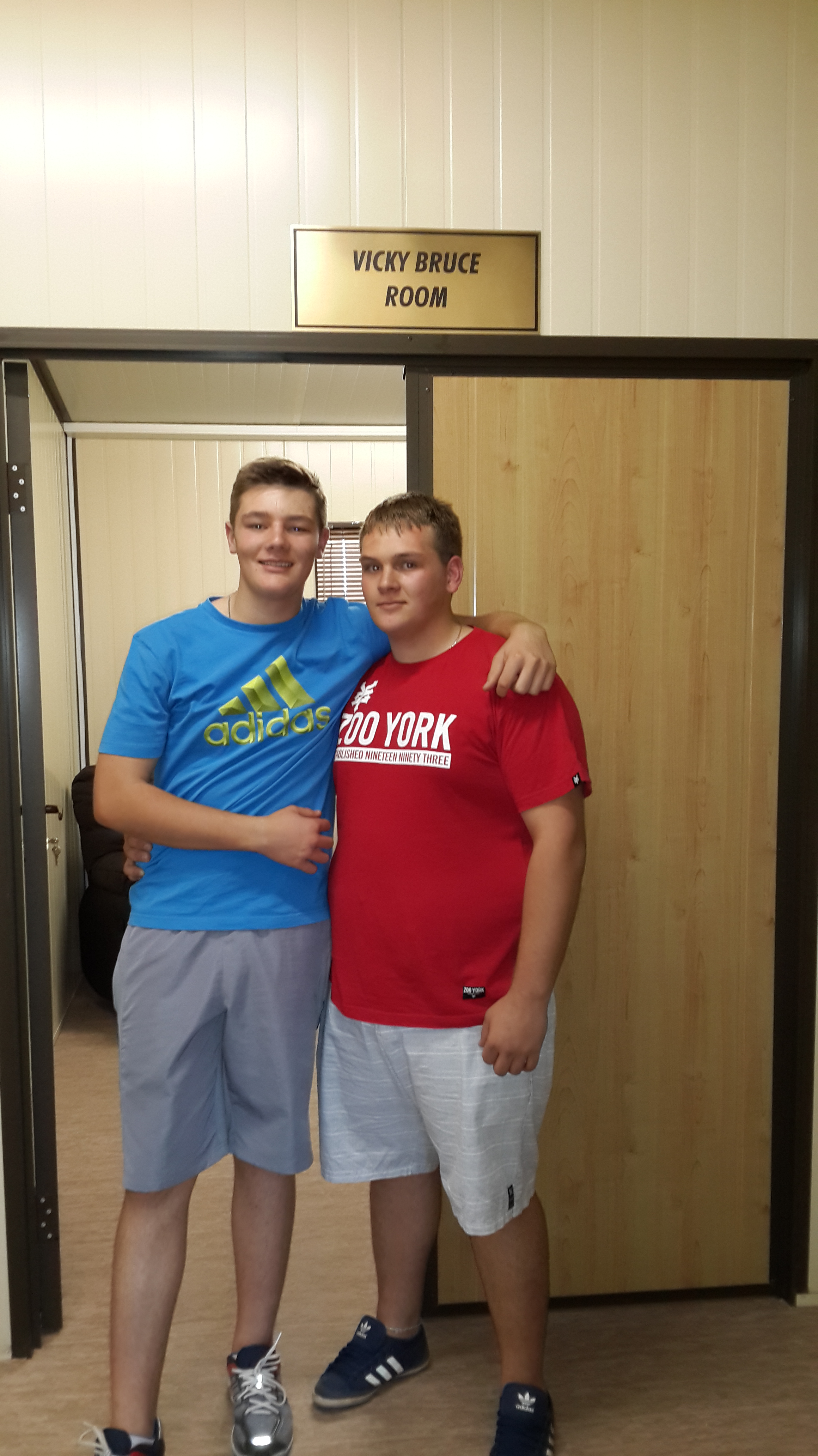
The boys outside the Vicky Bruce Dignity Room

The Anniversary


There are times in the life of a terminally ill person that death is no longer the enemy but rather a friend.  Vic too surpassed all anniversaries and eventually I though she was invincible.  But with invincibility comes pain, indignity, despair, depression…  Thinking of you Mike in your brave journey.

Mandela and the wrath of his forefathers….


Photo © Sipho Futshane

An evening visit to the designated gravesite of Nelson Mandela, prayers for forgiveness to the ancestral forefathers and the tribal elders travelling to Pretoria to be with South Africa’s greatest hero is just some of the drama surrounding Nelson Mandela’s imminent passing.

The gravesite is situated about 500 metres from Mandela’s Qunu residence and is reserved for the Mandela family.

It has been reported that elders in the Mandela family visited the family gravesite in Qunu, on Tuesday evening, to plead for forgiveness from their ancestors for exhuming the bodies of family members in 2011 by Mandla – the favourite grandson. It is tribal custom that gravesites are either visited early in the morning or late in the afternoon.

The elders are furious with former president Nelson Mandela’s grandson Mandla for digging up the remains of his father Makgatho and his father’s two siblings, Makaziwe and Thembekile, and moving them to Mandela’s birthplace Mvezo.  The elders have advised the family that “the Mandelas are being punished through making their beloved son (Nelson Mandela) suffer in hospital where he remains in great pain and anguish”.   The elders visited the gravesite to plead for their ancestral forefather’s forgiveness and to seek advice as what to do during this difficult time.

The elders in the Mandela family have attributed Mandela’s ill health and constant hospitalization for a lung infection to the “wrath of the ancestors”.

The “wrath” was caused by the fact that Mandla Mandela, the Mvezo chief, removed the remains without consulting anyone.

Elders with knowledge of AbaThembu traditions and customs told the family that this had angered the forefathers which resulted in a curse being put on the Mandela family, by the ancestors.

City Press reported that after the meeting it was decided that elders – men only – should visit the gravesite to appeal to the ancestors to spare Mandela from suffering.  Mandla did not go to the family gravesite where the elders had gone to plead with the ancestors.

It was decided at the gravesite that a delegation would visit Mandela in hospital.

“I will be going to see Tata (Father) in hospital. He cannot be alone at this hour of need. He needs AbaThembu and his family next to him,” Mtirara, an elder, said.

South Africa has such a diverse society.  One of the greatest problems that face the nation in their religious walk, whatever that may be, is that the tribes revert to their dead for advice in the time of a crisis.  On Sundays people will attend church and praise and worship God for hours.  Six days a week, they will consult the forefathers or their spokesmen, if they have a crisis…

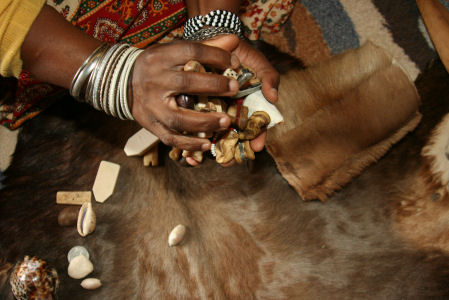
Superstition and witchcraft is rife in South Africa.  Witchdoctors or Traditional Healers is acknowledged as a profession ….some medical aids even pay for their services.  Companies have to accept a “sick note” from a Traditional Healer, who has no formal medical training.

Photo Credit: goafrica.about.com

Outside the Heart Hospital in Pretoria thousands of people have gathered singing hymns and burning candles in prayer for our beloved Madiba.  Elsewhere the bones are being cast and rituals to appease the forefathers are being performed.

In the words of Mandla Mandela “At the end of the day, my grandfather’s fate, like that of everyone else, lies with God and our ancestors”

The prayer/request is the same.  “Please end Madiba’s suffering.  Allow him to die the way he lived…..with dignity.”

http://www.iol.co.za/sundayindependent/undermining-the-mandela-legacy

http://www.citypress.co.za/news/exclusive-mandela-elders-visit-qunu-grave/


Vic, embedded in my heart and a building’s cement


Today the concrete foundation was laid of our Stepping Stone Hospice’s building.

26.6.2013
26.6.2013

It was a “moment” when I saw the concrete being poured.  The builder, bless his soul, ordered extra cement and we now have a veranda area as well as a concrete path where our patients will leave our building for the last time… We also received a donation of a oxygenator.

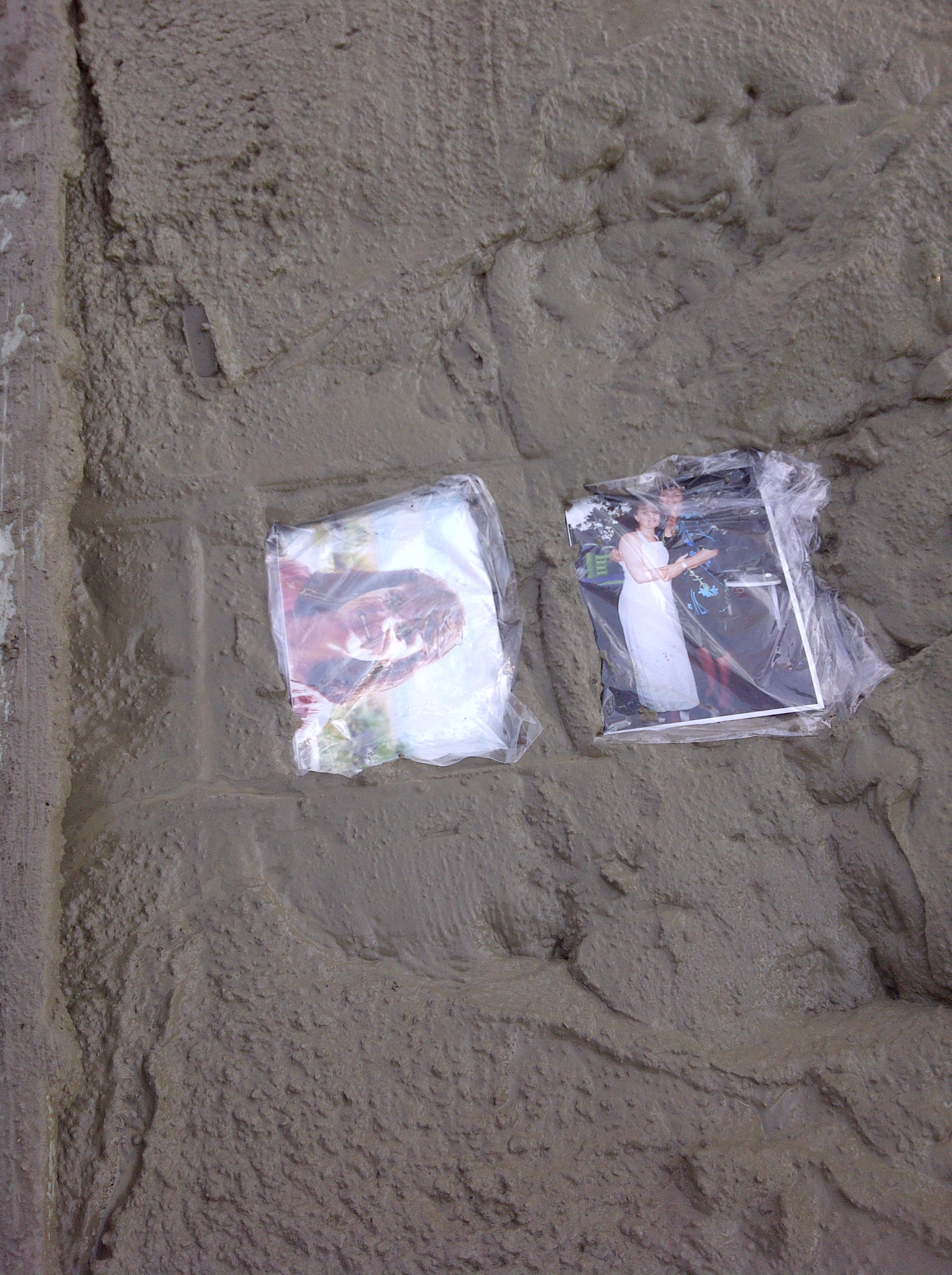
I asked the builder if I could put a photo of Vic’s into the foundation of the building.  He thought it was a wonderful idea.  I phoned the boys, and they brought me their favorite photos of Vic and I.  We placed it in plastic sleeves and embedded it in the foundation.  It was covered with concrete.

Vic has been immortalised in the foundation of Stepping Stone Hospice.

Perhaps because Vic was cremated, it was an emotional moment for all of us seeing her being “buried” in cement.  I know it was purely symbolic, but it was sad.

The boys and I huddled together and wept.

Stepping Stone foundation

One day less


I am glad the day is over.  I am grateful that I am one day closer to being reunited with my precious child.

Image

Tonight I fulfilled one more of Vic’s wishes.

Twenty five years ago Vic was the bridesmaid at my brother and sister-in-laws wedding.  She looked beautiful in a real grown-up pink dress…  They gave her a string of perfect little pearls which she treasured and wore on very special occasions.

After Vic died I came across the string of pearls with a little note.

The note read: “25 years ago Johan and Henda gave me these because I was their bridesmaid.  I would like to now return it to them…”
She wrote them a note telling them how much she loved them.  She told my brother that he was her hero.  She told my sister-in-law that she was amazing….

Image
Vic and her precious Uncle Johan

Groundbreaking week…


Clearing the site starts...
Clearing the site starts…

It was a ground breaking week for Stepping Stone Hospice .  

Ground Breaking week

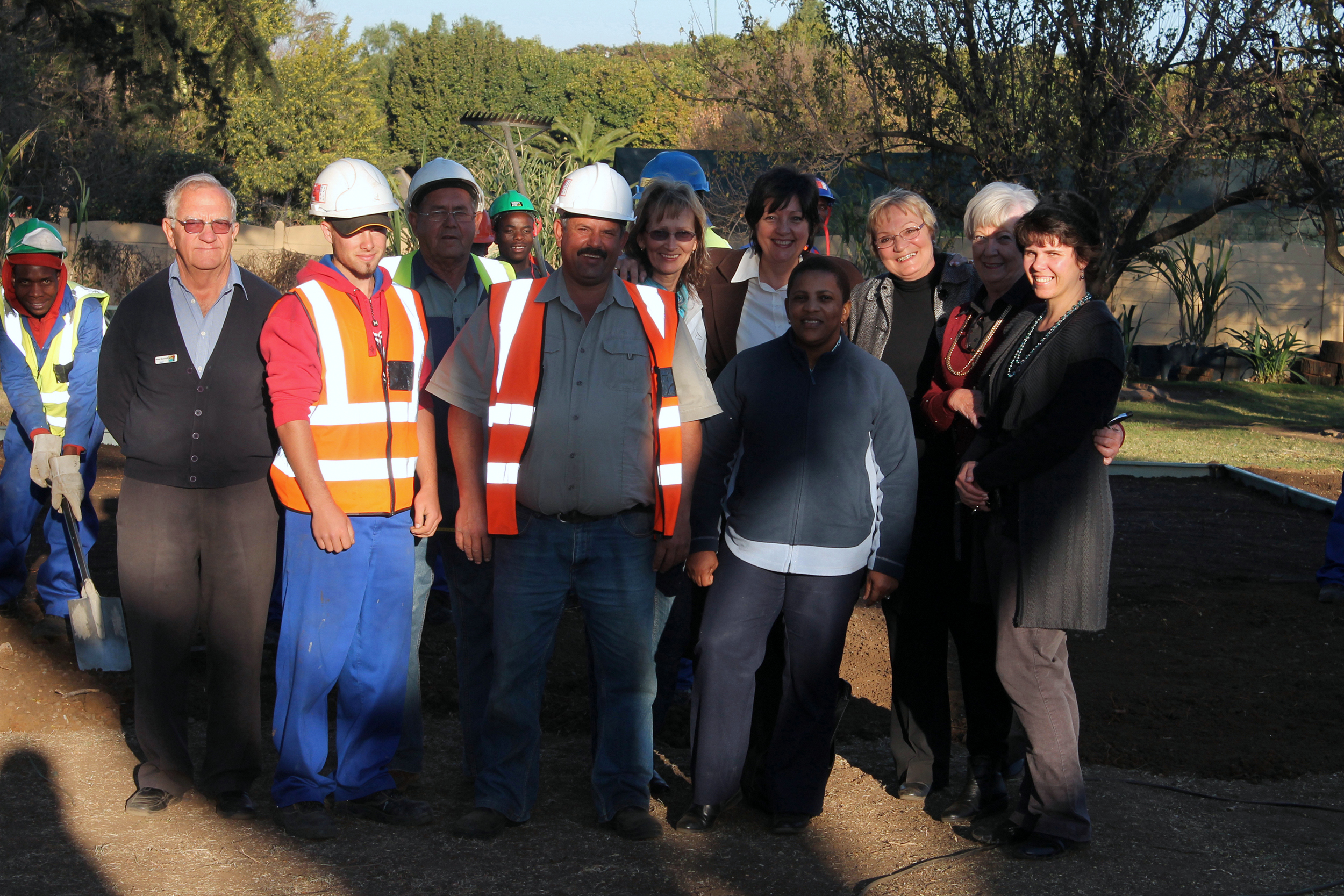
Excitement ran high when construction started!  A group of giggling middle-aged women invaded the site for a photo shoot with our local newspaper.  The atmosphere on site was one filled with humble gratitude, excitement, loving anticipation….

I know that Vic was looking down from Heaven, smiling… 

Steering Committee and Construction Team on site

We appointed a PR person, received a flooring donation, our sign boards arrived, we received a donation of hospital beds and equipment!  The greatest donation of this week had to however be when a young mother, suffering from Motor Neutron Disease donated a motorised wheelchair… It never even hit the office.  It went from her home to the home of a patient who is in the advanced stages of MND.  A new lease on life was given…

What a beautiful world we live in.  

goodbye

What do Alzheimer Patients Die from?


After my post https://tersiaburger.com/2013/06/16/what-is-the-difference-between-alzheimers-and-dementia/
I received a couple of emails and comments that I kept private and did not approve for publication. I decided to do this post at the time. Alzheimers is a terminal disease. Alzheimers has no survivors. The harsh truth is that there is no cure. There is no treatment.

Alzheimer’s disease is not just memory loss – Alzheimer’s kills.

• In 2010, 83,494 Americans died of Alzheimer’s disease – the 6th leading cause of death in the United States overall and the 5th leading cause of death for those aged 65 and older.

• Among 70-year-olds with Alzheimer’s, 61 percent are expected to die within a decade. Among 70-year-olds without Alzheimer’s, only 30 percent will die within a decade.

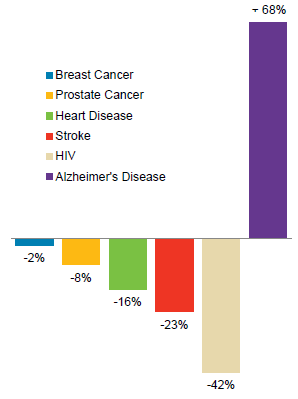
Deaths from Alzheimer’s increased 68 percent between 2000 and 2010, while deaths from other major diseases, including the number one cause of death (heart disease), decreased.

Change in Number of Deaths
between 2000 and 2010


• Alzheimer’s is the only cause of death among the top 10 in America without a way to prevent it, cure it or even slow its progression.

Dementia is the second largest contributor to death among older Americans, second only to heart failure.

Alzheimer’s disease is the 6th

Today, there are no survivors of Alzheimer’s. If you do not die from it, you die with it.

• One in every three seniors dies with Alzheimer’s or another dementia.

• In 2013, an estimated 450,000 people in the United States will die with Alzheimer’s, meaning they will die after developing the disease.

• Today, over 5 million Americans are living with Alzheimer’s disease, including an estimated 200,000 under the age of 65. By 2050, up to 16 million will have the disease.

• Of Americans aged 65 and over, 1 in 9 has Alzheimer’s, and 1 in 3 people aged 85 and older has the disease.

• Another American develops Alzheimer’s disease every 68 seconds. In 2050, an American will develop the disease every 33 seconds.

Alzheimer’s takes a devastating toll not just on those with the disease – but also on their caregivers. http://www.alz.org/documents_custom/2013_facts_figures_fact_sheet.pdf

Statistics can be extremely misleading. Alzheimer’s disease cannot be definitely diagnosed until after death, when the brain can be closely examined for certain microscopic changes caused by the disease. However, through thorough testing and a “process of elimination,” doctors today can diagnose what they refer to as probable Alzheimer’s disease with almost 90% accuracy.

My father’s death certificate stated “Natural Causes“… In South Africa and most countries, the law requires that a death investigation, or autopsy, be performed when someone dies under mysterious circumstances. Autopsies are usually done if the death was caused by injury, poisoning, infectious complications, foul play (homicide), or when someone dies without an attending physician. If any one of these criteria is present, the local coroner or medical examiner will perform an autopsy to determine the cause of death.

So what do Alzheimers Patients die from?

Stroke is a major cause of death in Alzheimer’s patients

Falling. Slower reaction time, difficulty recognizing changes in the height or depth of a step, can lead to tripping and falling. Changes in balance and coordination combined with poor memory can make it difficult for a person with Alzheimer’s to get from one place to another and avoid hazardous objects at the same time. He may miss a step while looking for a door or trying to listen to someone’s conversation.

Pulmonary aspiration.  Aspiration is the entry of secretions or foreign material into the trachea and lungs.  Alzheimer’s patients forget how to eat and/or swallow and might start choking on their food. The food basically goes down the wrong pipe. A tell-tale sign is when they start coughing whilst eating. This can lead to infection and pneumonia.

Pneumonia is a major cause of death in Alzheimer’s and dementia patients. Decreased mobility and pulmonary aspiration are major causes of pneumonia…

Urinary Tract Infection (UTI). An unidentified UTI can lead to sepsis which can in turn result in organ failure…

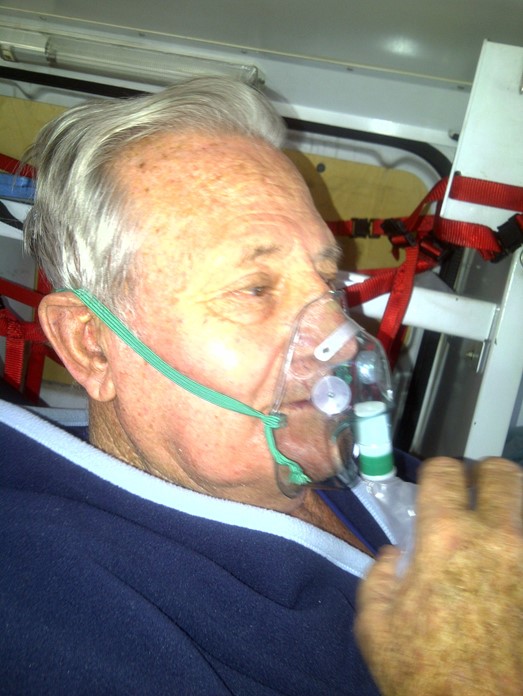
Dad in the ambulance en-route to hospital 1

On the 9th of May 2011 my dad had a bad fall. He was taken to hospital by ambulance and admitted to ICU as he required 24/7 care.  On the 10th I met with the medical team.  My Dad appeared to be in a coma.  The Physician said that Dad had pneumonia.  The Neurologist confirmed that Dad was in the Severe advanced stage of Alzheimers.  The Specialist Surgeon wanted to operate on my Dad’s aneurysm….

I made the heart wrenching decision that there would be no aggressive treatment of the pneumonia.  There would be no operation.  The Physician agreed with my decision.

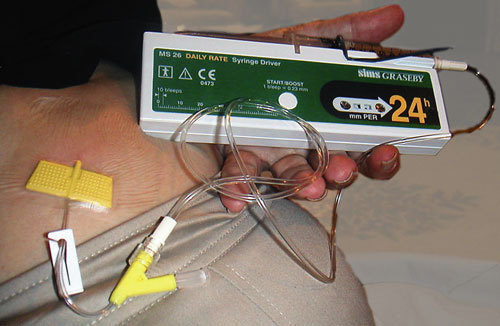
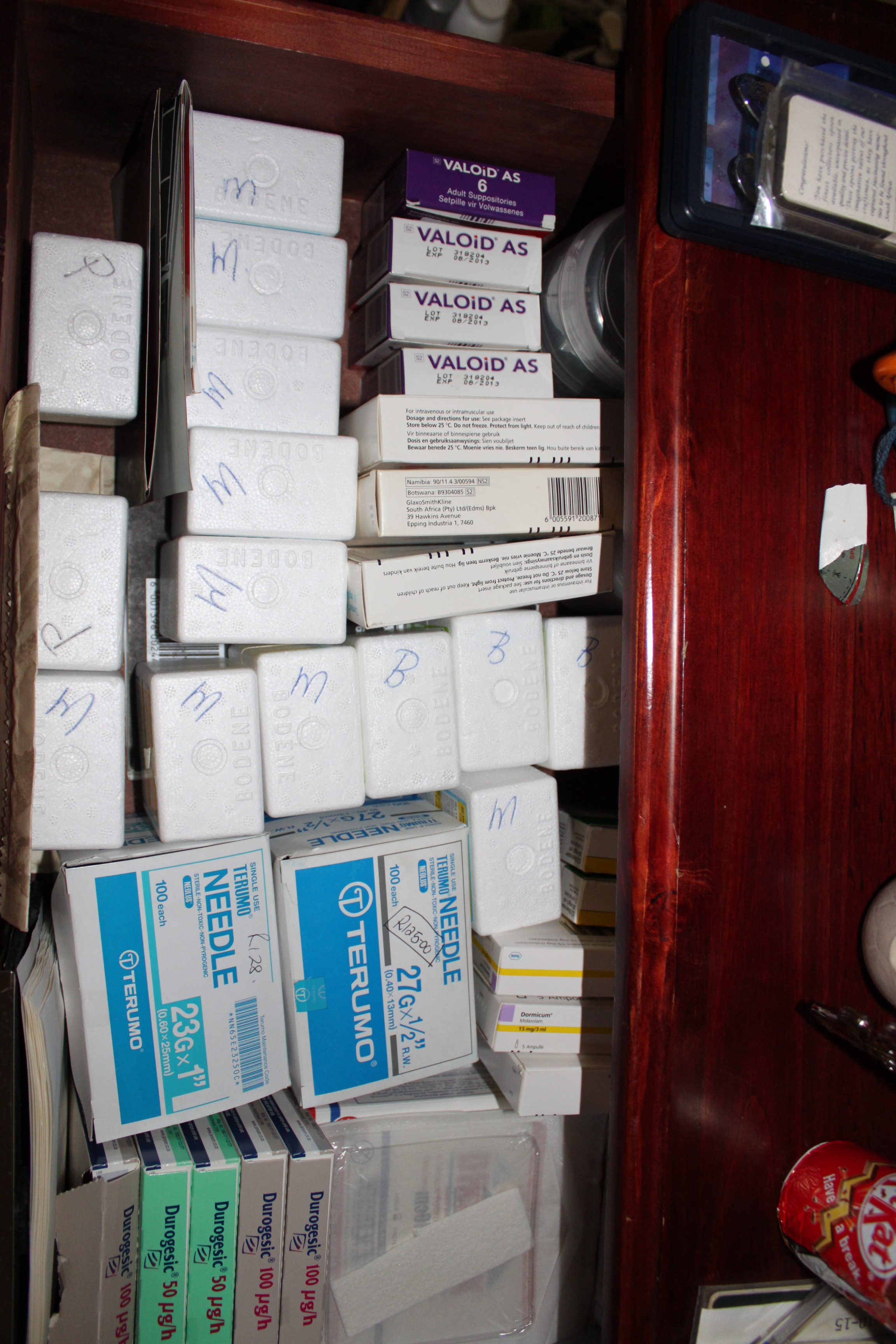
On the 14th of May I took my Dad home.  Hospice evaluated Dad and accepted him as a case.  Hospice started administering Morphine, Dormicum and Serenace subcutaneously and my beautiful dad was comfortable. My Dad battled to swallow and I was pretty distressed about his liquid and food intake.  Dad’s core body temp had dropped to 34.5 degrees C.  Hospice said that Dad’s body had started shutting down and not to worry about his food or liquid intake.  On the 17th my beautiful father cried during a lucid moment because he could not articulate his thoughts and he was mumbling …

Twenty three days after his first fall my Dad lost his battle against Alzheimers when he forgot how to breathe.

Did he die from Alzheimers or pneumonia? Maybe it was the fall or even the aneurysm? His death certificate read “Natural Causes” – my Dad is not an Alzheimer statistic…


A gentle death…


A gentle death, when comfort, caring, and presence are priorities, is invariable a death at home or in the peaceful surroundings of a Hospice In-Patient Unit. The opportunity to have your loved one drift away peacefully, in the comfort of their own home, in their favourite bed or in your arms, with their loved ones there at their side, is truly a gift of immeasurable worth.

Too often doctors keep treating the actively dying person aggressively. The ill person accepts the aggressive treatments doctors keep piling on them even though there is no benefit to be derived from it. At this stage of the terminally ill patient their medical care controls their lives. Pain, NG tubes, stomach tubing, IV tubing, catheters…. They remain hooked up to all sorts of beeping, pumping devices until the bitter end. We are conditioned to accept aggressive life-prolonging treatment that often destroys our family’s financial stability and quality of life.

2007

This is what the medical profession is trained to do. To heal…

It is so hard to die with all the medical technology and treatments available. People no longer die of heart attacks. People go onto preventative cholesterol and blood pressure treatments. They become old enough to develop Alzheimers…

What changes have occurred which mean we are now living longer than previous generations?

During the twentieth century, life expectancy rose dramatically amongst the world’s wealthiest populations from around 50 to over 75 years. This increase can be attributed to a number of factors including improvements in public health, nutrition and medicine. Vaccinations and antibiotics greatly reduced deaths in childhood, health and safety in manual workplaces improved and fewer people smoked. As a result of this – coupled with a decline in the fertility rate – many major industrial countries are facing an ageing population.

According to UN statistics for the period 2005 – 2010, Japan has the world’s highest life of expectancy of 82.6 years followed by Hong Kong 82.2 years and Iceland 81.8 year). The world average is 67.2 years and the UK average is 79.4 years. The average South African is expected to live to at least 60 years, an increased figure when compared with the 2005 figure of 53 years. .

During the Roman Empire, Romans had an approximate life expectancy of 22 to 25 years. In 1900, the world life expectancy was approximately 30 years, and in 1985 it was about 62 years, just five years short of today’s life expectancy.

Why are we living longer? Well in South Africa or even Africa it is because of revised HIV Anti Retro Vital policies. HIV has become a chronic illness. It is no longer a life-threatening illness. As long as you take your ARV’s you will be fine!

Improved food packaging and an increased awareness of the nutritional value of food have led to healthier lifestyles. Increased fitness levels and the reduction of smoking have also paid a major contribution in increasing life expectancy world-wide.

Adverts on buses and tubes inform us of the importance of washing our hands and covering our mouths when we cough or sneeze in order to reduce the spread of illnesses and diseases. Health and safety legislation provides strict regulations for hygiene in restaurants, hospitals and factories.

This is great but we have an increasing older population suffering from diseases like Alzheimers and Parkinson’s. I don’t believe that it is the environment or lifestyle that has led to this. Years ago people simply died younger… Our grandparents were OLD at the age of 60. Now 70 year olds have knee replacements and still play sport.

Vic was diagnosed at the age of 18 months with Osteogenesis Imperfecta. At the time it was a death sentence. I remember the professor telling us that she would not live to the age of 12.

We celebrated her 12th birthday, her 16th, 18th, 21 and 30th birthdays…We celebrated her 38th birthday. Every birthday from her 27th birthday became more difficult. The doctors and I fought to keep her alive.

Keeping her alive came at a price. Eight one (81) abdominal surgeries, literally years in hospitals, pipes and tubes in every orifice of my child’s little body, prodding and prying by strangers hands. She was stripped of her dignity. At times litres of faecal matter poured out of her intestines into bags and bottles….She had to drink revolting liquids, tablets crushed and vomit until she fractured vertebrae.

Why did we not allow her to die with dignity? Why did we fight for her life? Why did we sentence this poor child a violent life filled with suffering and pain? Because I was selfish. I drilled fighting and survival into her little brain from the age of 18 months. Vic did not know how to not fight.

The greatest gift I ever gave Vic was to respect her wishes and allow her to die. It was the most difficult thing I have ever had to do… Retreat and not fight!

July 2012

St. Francis of Assisi portrays death as “kind and gentle” in the hymn “All Creatures of our God and King”. This is certainly a minority view in our culture and faith. It speaks of a familiarity with death that seems to have been more prevalent in previous generations than it is today. Society sanitizes death. In a culture devoted to the avoidance of suffering, a culture that lives as if this life were all there is, it’s not surprising that we relegate death to the morticians. Morticians do the final honour. They wash and prepare our dead for the last time…

We avoid the sick and funerals. We relegate our dying to a noisy hospital room with beeping machines and staff on a schedule. No gentle music and candles – just harsh hospital lights and a lot of noise 24 hours a day. Hospitals are not trained in palliative care – only curing.

 When someone is dying, everyone has to wait. It takes time. All of us have a different timetable. Some wait mere hours. Some drag on for days, others, weeks. It is a lesson in patience. And it is a time when “being” edges ahead of “doing”, and just being present your loved one’s bedside is seen as the ultimate act of service.

We must allow our dying and infirm to die a gentle death. We must HEAR what they are asking! Are they ASKING for more invasive treatment or the right to die a gentle death?


Vic 15.1.2013
Vic 15.1.2013

Five months and 7 and a half hours ago I allowed my most precious child to die a gentle death. If I had not ignored her wishes her suffering would have ended many years ago. I have to live with this.

Hospice – friend or foe?


Hospice – friend or foe?

A blogger friend, Terry, is preparing for her beloved brother Al, to move home from an Assisted Living Facility. Al suffers from Parkinson’s disease and his general health condition is extremely precarious. Terry blogged: “I finally heard nothing from the phone. I had done everything I could find to do trying not to have to make the dreaded call to Hospice. I decided not to use the Hospice here in our county. I was very disappointed in them with the lack of care they gave to my father.” http://terry1954.wordpress.com/2013/06/17/al-and-hospice-meet/

Vic wrote this on her Face Book page on the 15th of May 2011… “Today Hospice came to access my Grandfather… They dripped him & made him comfortable. He has lost his swallowing reflex, sleeps most of the day, is completely bedridden & can barely talk… The suddenness of his deterioration is very difficult to comprehend. Could you all say a big prayer for my Gramps and especially my Mom, who lost her best friend of 25 yrs., age 51 to a heart attack last Tuesday. My Mother is one of the strongest, bravest people I know… How do we say goodbye, how do I take my Boys to say their Goodbyes tomorrow, how do we accept that this incredible man has such little time left regardless of the fact that we all know that its best for him. How can I be strong for my babies when my heart breaks all over again, every day when I see him…? Especially my Eunice Friends will all remember how desperately my Gramps and Gran loved and spoilt me and how VERY MUCH they meant to me… I don’t want to live without him even though I realise that that is extremely selfish, but I love my Grandfather so desperately, it’s not fair… All I ask for is compassion… Compassion for Gramps and my Mother… Thank you to everyone for all your love & support through everything… Love Vic…”

I am a great believer in the services that Hospices offer – worldwide. Hospice cared for my Dad in the last week of his life and for Vic the last 5.5 months of her life. My experience was positive.

The hospice movement was started in the 1950’s in London by Dame Cicely Saunders, and the first hospice facility opened in London in 1967. Seven years later the United States opened their first hospice facility in 1974. In America the hospice movement has blossomed and hospice now serves 44.6% of patient deaths. Unfortunately, the median length of service for hospice patients is only 19.1 days, which means many patients did not receive the benefit of hospice care until the end of a difficult illness. In my country only 5% of the dying actually have access to Hospice services.

The original idea of hospice is that once curative treatments are no longer effective, a patient enrols in hospice to receive comfort care. In our culture of “fighting” death illness that should be addressed through ongoing decisions about the risk and benefit of interventions gets turned into a battle that should be won or lost. No one wants to be a loser, so the patient is reluctant to quit curative care until there is absolutely no hope. Many physicians are geared the same way, and their desire to give hope and “beat” disease results in a reluctance to call in hospice even when they know the situation is bleak.

Hospice care is for a terminally ill person who’s expected to have six months or less to live. This doesn’t mean that hospice care will be provided only for six months, however. Hospice care can be provided as long as the person’s doctor and hospice care team certify that the condition remains life-limiting.

The benefits of hospice and palliative care

Research published in the Journal of Pain and Symptom Management found that terminally-ill patients who received hospice care lived on average 29 days longer than those who did not opt for hospice near the end of life.

Source: National Hospice and Palliative Care Organization

Hospice care providers offer specialized knowledge and support at the end of life just as obstetricians and midwives lend support and expertise at the start of life. Hospice can reduce anxiety in both the terminally ill patient and his or her family by helping them make the most of the time remaining and achieve some level of acceptance.

When terminally ill patients, who are often already in a weakened physical and mental state, make the decision to receive hospice and palliative care instead of continued curative treatment, they avoid the dangers of over-treatment. In-home care from a hospice team often means the patient receives greater monitoring than he or she would in a hospital. In addition to focusing on the physical health and comfort of a patient, hospice care also focuses on the emotional needs and spiritual well-being of the terminally ill and their loved ones.

The above is all well documented facts. Yet, when a family is faced with that terrible decision to call in Hospice, it is a deeply emotional decision. The phone call is a terrifying telephone call. This is evident from Vic and Terry’s posts…..

It made me realise what a massive challenge lies ahead of us in Stepping Stone Hospice.  We need to educate the community.  We need to dispel the fear of and for Hospice.

stepping_stones_of_memory_by_nwwes-d3krg59


Mommy’s dream is coming true…


Jon-Daniel’s BBM status today was “Mommy’s dream coming true” with this photo…

Jon-Daniel

Your dream is coming true my angel child. Your Stepping Stone Hospice is functioning, and we have received a building as a donation!  Next week construction will start and by the end of the month we will move in! 

Behind the building there is a duck pond and a quaint little chapel.  I look forward to planting some roses in the garden!  We anticipate wheeling our day-care patients into the garden so they can feed the ducks.

Of course we do not have furniture yet.  The boys are donating the furniture for the two Dignity Rooms (dying rooms).  It was their decision!  We want to real make the rooms pretty and lively… We will play gentle music and burn candles like we did for you… It will truly be rooms of love…

Yesterday I was at the site and I was looking at the terrain that they were clearing.  All of a sudden there was this perfect white feather…Another message from you Angel.  Thank you.  I needed a sign…

Stepping Stone Hospice is daunting.  This week an article appeared in the Tames Times.  It opened a floodgate of telephone calls…  An elderly man called.  His voice was raw with grief and despair.  His wife is dying from liver cancer and he is going through all those familiar caregiver anguish.  How will he know when it is time?  But she is still working and in total denial…He did not want help and will put my number on speed dial… I experienced what Arlene must have experienced when I phoned her the first time….  Quite a few new patients this week…so much pain and fear…

We have had wonderful offers of help.  A woman phoned today and said that she did not know how to care for a sick person, but she was prepared to go clean a sick person’s home… We have had offers of help from professional councillors, people from all wards of life…Now we can only hope and pray that people will volunteer furniture and make some financial contributions! 

I am amazed at the goodness and generosity of people.  The company that donated the building belongs to a young man, Jaco Schultz.  You would have liked him my angel.  He is really a nice young man with a “white heart”.

 I can hear you asking “Where did you find him Mommy?” 

I did not find him.  He found us!  Long story…here is the short version!

We sell second-hand clothing to raise funds…  El-Marie, Jaco’s sister took 14 bags of clothing to Trix.  Trix (a wonderful woman with a superb sense of humour and a passion for Stepping Stone Hospice) told her what we do with the proceeds of the clothes (we buy medication for the indigent patients).  Two weeks later she dropped off more bags and asked whether we could meet her brother… 

The meeting itself was quite funny.  It was when I had that terrible flu.  The morning of the meeting I hardly had a voice, my head was throbbing and I was certain I would die.  Remember the woman you met, who lives around the corner from us and whose daughter-in-law was paralysed in an accident in December 2012?  She was at the meeting.  I was so scared I would spread my flu germs, and she would contract my flu, that I wore a facemask – I did not want DiL’s death on my conscience.  It must have looked so funny!  Me with this horrible surgical facemask… gasping for oxygen and only breathing in concentrated germs! 

Jaco asked to see the terrain, and we went on a walk-about.  He asked whether a tree could be moved….We had a promise of a building that would have a small day-care centre, two dignity rooms, a treatment room…! As easy as that!

plansWithin weeks the promise is becoming a reality.  Construction starts next week!  I am so excited!  So my Angel Girl, there was a purpose to your suffering after all. I wish it was different but it isn’t. We have been blessed beyond comprehension. 

I believe that God is personally overseeing this project. 

Love and miss you with all my heart Sweetie.

https://tersiaburger.com/2012/11/08/being-prepared-to-die-is-one-of-the-greatest-secrets-of-living-george-lincoln-rockwell/

https://tersiaburger.com/2012/11/16/we-both-laughed-and-the-moment-was-over/

https://tersiaburger.com/2012/12/02/where-to-now/

https://tersiaburger.com/2013/02/13/the-process-of-preparing-for-death/

https://tersiaburger.com/2012/10/15/remission-15-10-2012/

https://tersiaburger.com/2012/10/01/sometimes-the-pains-too-strong-to-bare-and-life-gets-so-hard-you-just-dont-care/

https://tersiaburger.com/2013/05/27/hospice-patients-live-longer/

https://tersiaburger.com/2013/04/24/stepping-stone-hospice/

https://tersiaburger.com/2013/01/03/tomorrow-may-be-better-than-yesterday/


“This is to have succeeded”


Vic often said “I must be such a disappointment to you.  I have done nothing with my life!”

100_8092 (2)

This morning I read these beautiful words and so wished I could have shared it with Vic.

“This is to have succeeded” posted on June 4, 2013 by Dr Bill http://drbillwooten.com/2013/06/04/this-is-to-have-succeeded

“To laugh often and love much; to win the respect of intelligent persons and the affection of children; to earn the approbation of honest citizens and endure the betrayal of false friends; to appreciate beauty; to find the best in others; to give of one’s self; to leave the world a bit better, whether by a healthy child, a garden patch or a redeemed social condition; to have played and laughed with enthusiasm and sung with exultation; to know even one life has breathed easier because you have lived—this is to have succeeded.” ~ Bessie Anderson Stanley

To laugh often and love much – That Vic did.  She always had a smile on her precious face.  Even when she was in dreadful pain she would try to smile.  When she was in a lot of pain her laugh was shrill.  Pain seldom stopped her from laughing… In 2007 I said to Vic that my life was sad.

“That is terrible Mommy.  Why?”

I felt like hitting my head against a wall!  What did the child think?  In 2007 Vic must have had 18 operations; developed every hospital superbug in the book; developed septicaemia, had a high output fistula; developed Acute Respiratory Distress Syndrome; spend months in ICU and survived having the ventilator turned off… Vic was op TPN (Total Parental Nutrition) for months…she had a massive open wound that we could not keep covered with a colostomy bag.  It was too big and positioned very low down.

“I worry about you every second of the day baby.  I worry whether you have vomited and how much you vomited; I worry whether you have been able to eat anything…  I worry about your wound.  I worry about your pain control….”

“Mommy, that is so sad.  At least once a week the boys and I laugh so much that my tummy hurts from it…”

Vic in 2007
Vic in 2007

Vic loved unconditionally and with every fibre of her body.  She gave everything!  She was a wonderful daughter, mother, friend…She loved her family, her siblings, her friends and her boys.  She LIVED love.

Her last words ever were “I love you Mommy”

… to win the respect of intelligent persons and the affection of children;  Worldwide, intelligent people, respect and admire Vic for her courage, tenacity…  We called Vic the “baby whisperer”.  Children loved her.  She loved children.  Her only ambition as a toddler and teenager was to be a Mommy.  She loved her sons beyond comprehension…

The Baby Whisperer
The Baby Whisperer

…… to earn the approbation of honest citizens and endure the betrayal of false friends; Vic suffered a lot of betrayal in her little life.  People got tired of waiting for her to die.  “Friends” spoke about her “addiction” to pain medication behind her back… They used her illness as a weapon against her when she was at her most vulnerable.  False friends (and loved ones) spoke their “minds” and condemned and judged Vic for choices she made… Because she was ill people thought they could say what they wanted, when they wanted.

….. to appreciate beauty; to find the best in others;  My precious child was so naïve.  She refused to see the bad in people!  The only time she got irritated and miserable was in hospital.  She always found the good in people.  She did not speak badly of people.  When I was angry with someone she would placate me…point out their good points… She knew that if she voiced her own anger it would have driven me over the edge.  Vic taught me unconditional love, forgiveness and tolerance.  Vic brought out the best in me and the most other people.

…..to give of one’s self; Vic was a people pleaser.  She would turn down MY bed!!!!  She made sacrifices for each and every person in her life.  Even in death she worried about other dying people who were less privileged than she was.  I promised her 2 am one morning that I would start Stepping Stone Hospice!  She kept talking to me about Stepping Stone until she lapsed into a coma.

IMG_9511

…..to leave the world a bit better, whether by a healthy child, a garden patch or a redeemed social condition; Vic left the world a better place.  Her sons are monuments of the person she was; her dream of a Hospice has been realized.

The boys taking Vic for a walk at the Donald Gordo

……to have played and laughed with enthusiasm and sung with exultation;  With the 2010 Soccer World Cup Vic went crazy with enthusiasm; she bought every gimmick that hit the shops; she went of the “soccer train” in her wheelchair, she watched every single soccer game.

Vic loving World Cup 2010

100_2079

……to know even one life has breathed easier because you have lived     Vic’s legacy will live on through her sons and Stepping Stone Hospice.  Long after I have died, people will continue to benefit from Vic’s dreams and goodness.

—this is to have succeeded.”  My angel child – you succeeded!  You succeeded in life and with living.  You made the world a beautiful place filled with goodness and hope.  I am so proud of you.  You lived life to the full.  You made a difference!  You lived a greater and more successful life than most people.  You have put the world to shame.  You are my hero!

Vic and her monuments

https://tersiaburger.com/2012/10/16/and-the-winner-is/

https://tersiaburger.com/2012/06/09/9-6-2012/