Morphine extends life!


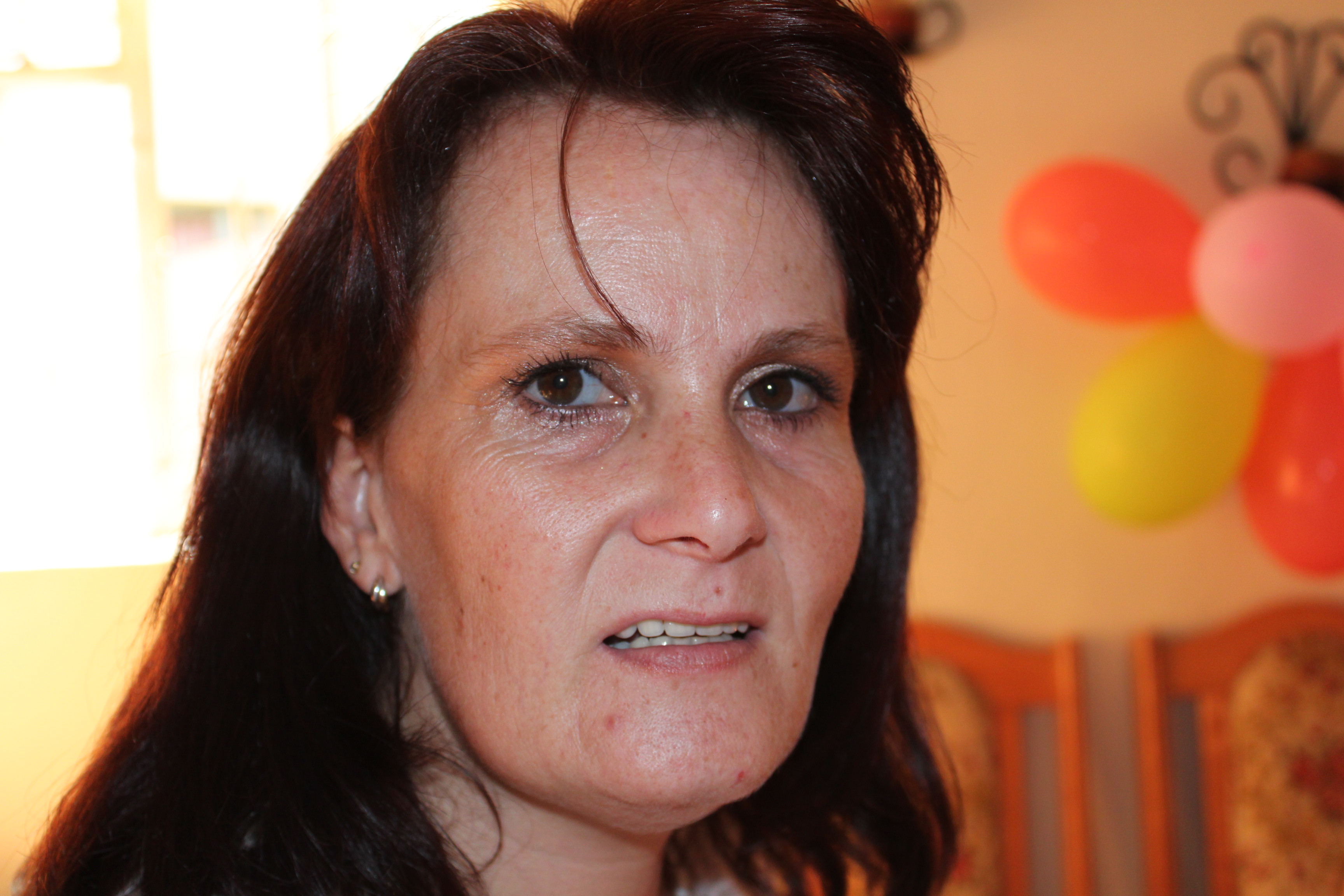
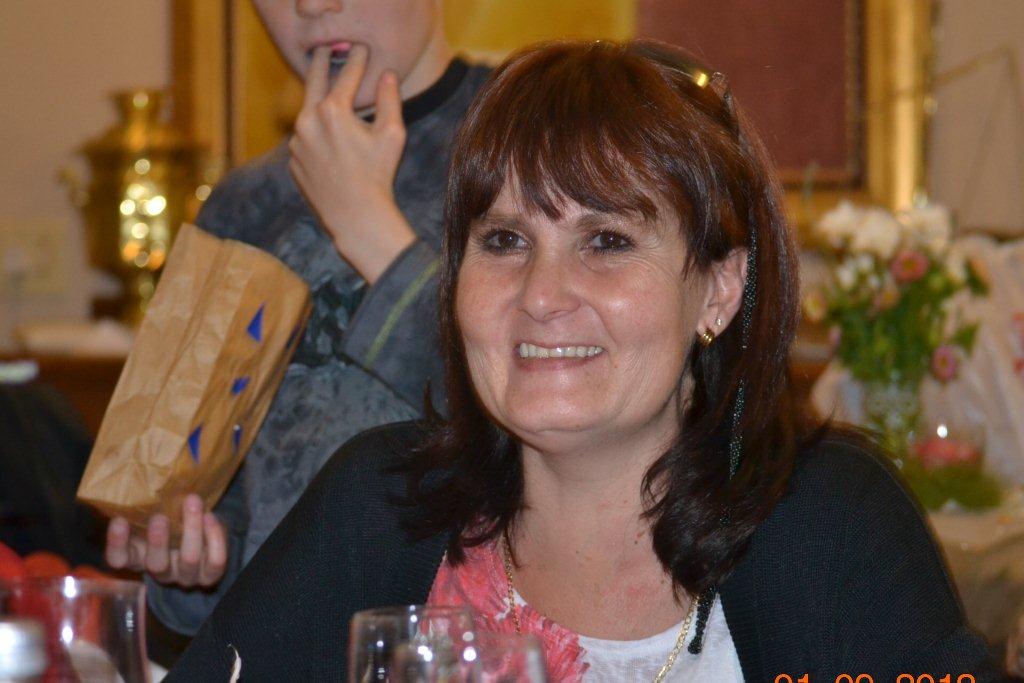
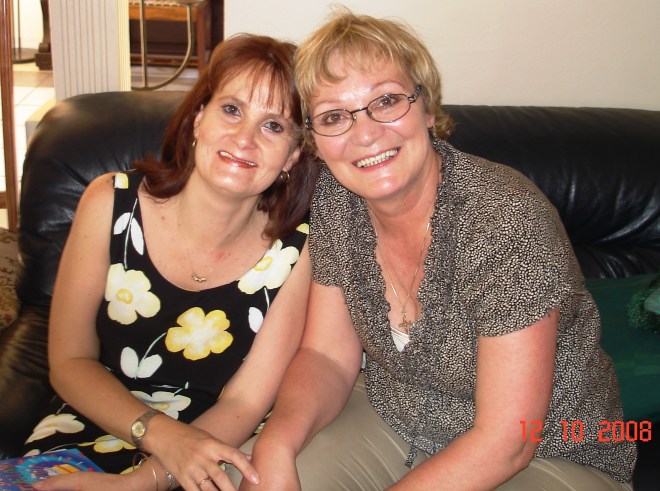
Vic and I in healthier days

The downward pain spiral has already begun.  Vic is quite swollen and had a bad day.  This afternoon late she perked up and has only had one vomiting spell tonight.

As Sr Siza was examining her this afternoon and taking her vitals I remarked on the swelling.  “It’s the organs shutting down” she whispered….

“I am scared Siza.  I administer such massive dosages of medication to Vic… What if I kill her?” I asked over a cup of tea.

“Don’t worry my love.  You won’t.  There is no upper limit to the amount of morphine that Vicky can go on… As long as we titrate the dosages she will be fine.”

So I Googled Morphine+dosage+death and one of the first articles that came up (and I could understand) is “When Morphine Fails to Kill”  By GINA KOLATA

 Proponents of assisted suicide often argue that when a doctor helps a patient who wants to die, it is no more ethically troubling than when a doctor kills a patient slowly with morphine, often without the patient’s knowledge or consent, a medical practice these proponents say is increasingly common.

So why forbid doctors to prescribe lethal pills that could allow patients to control how and when they die? There is no question that doctors use morphine this way. “It happens all the time,” said Dr. John M. Luce, a professor of medicine and anesthesiology at the University of California in San Francisco. And there is no question that most doctors think that morphine can hasten a patient’s death by depressing respiration. But Luce and others are asking whether morphine and similar drugs really speed death.

Experts in palliative care say the only available evidence indicates that morphine is not having this effect. Dr. Balfour Mount, a cancer specialist who directs the division of palliative care at McGill University in Montreal, firmly states that it is “a common misunderstanding that patients die because of high doses of morphine needed to control pain.”

 No one denies that an overdose of morphine can be lethal. It kills by stopping breathing. But, said Dr. Joanne Lynn, director of the Center to Improve Care of the Dying at George Washington University School of Medicine, something peculiar happens when doctors gradually increase a patient’s dose of morphine. The patients, she said, become more tolerant of the drug’s effect on respiration than they do of its effect on pain. The result, Dr. Lynn said, is that as patients’ pain gets worse, they require more and more morphine to control it. But even though they end up taking doses of the drug that would quickly kill a person who has not been taking morphine, the drug has little effect on these patients’ breathing.

Dr. Kathleen Foley, who is co-chief of the pain and palliative care service at Memorial SloanKettering Cancer Center in New York, said that she routinely saw patients taking breathtakingly high doses of morphine yet breathing well. “They’re taking 1,000 milligrams of morphine a day, or 2,000 milligrams a day, and walking around,” she said.

The standard daily dose used to quell the pain of cancer patients, she added, is 200 to 400 milligrams. Dr. Lynn said she sometimes gave such high doses of morphine or similar drugs that she frightened herself. She remembers one man who had a tumor on his neck as big as his head. To relieve his pain, she ended up giving him 200 milligrams of a morphinelike drug, hydromorphone, each hour, 200 times the dose that would put a person with no tolerance to the drug into a deep sleep. “Even I was scared,” Dr. Lynn said, but she found that if she lowered the dose to even 170 milligrams of the drug per hour, the man was in excruciating pain. So to protect herself in case she was ever questioned by a district attorney, she said, she videotaped the man playing with his grandson while he was on the drug.

On rare occasions, Dr. Lynn said, she became worried when she escalated a morphine dose and noticed that the patient had started to struggle to breathe. Since she did not intend to kill the patient, she said, she administered an antidote. But invariably, she said, she found that the drug was not causing the patient’s sudden respiratory problem.

One man, for example, was having trouble breathing because he had bled from a tumor in his brain, and an elderly woman had just had a stroke. “In every single case, there was another etiology,” Dr. Lynn said. “Joanne’s experience is emblematic,” said Dr. Russell K. Portenoy, the other cochief of the pain and palliative care service at Memorial SloanKettering Cancer Center.

 He said he was virtually certain that if doctors ever gave antidotes to morphine on a routine basis when dying patients started laboring to breathe, they would find that Dr. Lynn’s experience was the rule. Patients generally die from their diseases, not from morphine, Dr. Portenoy said.

The actual data on how often morphine and other opiates that are used for pain relief cause death are elusive. But Dr. Foley and others cite three studies that indirectly support the notion that if morphine causes death, it does so very infrequently. One study, by Dr. Frank K. Brescia of Calvary Hospital in the Bronx and his colleagues, examined pain, opiate use and survival among 1,103 cancer patients at that hospital, which is for the terminally ill. The patients had cancer that was “very far advanced,” said Dr. Portenoy, an author of the paper. But to his surprise, he said, the investigators found no relationship between the dose of opiates a patient received and the time it took to die. Those receiving stunningly high doses died no sooner than those taking much lower doses.

Another study, by Dr. Luce and his colleagues in San Francisco, looked at 44 patients in intensive care units at two hospitals who were so ill that their doctors and families decided to withdraw life support. Three quarters of the patients were taking narcotics, and after the decision was made to let them die, the doctors increased their narcotics dose. Those who were not receiving opiates were in comas or so severely brain damaged that they did not feel pain. The researchers asked the patients’ doctors to tell them, anonymously, why they had given narcotics to the patients and why they had increased the doses. Thirty nine (39%) percent of the doctors confided that, in addition to relieving pain, they were hoping to hasten the patients’ deaths. But that did not seem to happen.

 The patients who received narcotics survived an average of 3 1/2 hours after the decision had been made to let them die. Those who did not receive narcotics lived an average of 1 1/2 hours. Of course, Dr. Luce said, the study was not definitive because the patients who did not receive drugs may have been sicker and more likely to die very quickly. Nonetheless, he said, the investigators certainly failed to show that narcotics speeded death.

Dr. Declan Walsh, the director of the Center for Palliative Medicine at the Cleveland Clinic, said it had been 15 years since he first questioned the assumption that morphine used for pain control killed patients by depressing their respiration. He was working in England at the time, and many doctors there were afraid to prescribe morphine or similar drugs for cancer patients, Walsh said, because “they were afraid they would kill the patients.”

So Walsh looked at carbon dioxide levels in the blood of cancer patients on high doses of morphine to control their pain. If their breathing was suppressed, their carbon dioxide levels should have been high. But they were not. Nonetheless, Walsh said, the idea that morphine used for pain relief depresses respiration is widely believed by doctors and nurses because it is “drummed into them in medical school.” So, said Dr. Susan Block, a psychiatrist in the hematology and oncology division at Brigham and Women’s Hospital in Boston, it is not surprising that many doctors try to use morphine to speed dying. “There is more and more evidence most of it unpublished, but it’s coming, I’ve seen it that physicians, in addition to wanting to ease patients’ discomfort, also want to hasten death,” Dr. Block said. “Everyone is feeling guilty.”

Source: NY TIMES July 23, 1997  http://www.chninternational.com/Opiods%20for%20pain%20do%20not%20kill.htm

No more pain angel.
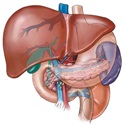
The Liver….


 The liver works with the endocrine system to regulate nutrients in the body and remove toxins. An enlarged liver means that it is endangered due to disease or other factors, which can lead to toxic shock. The proper medical term for an enlarged liver is hepatomegaly.

A healthy liver helps fight infections and filters toxins from the blood. It also helps to digest food, store nutrients for future needs, manufactures protein, bile and blood-clotting factors and metabolizes medications. A healthy liver has the ability to grow back, or regenerate, when it is damaged. Anything that prevents the liver from performing these functions – or from growing back after injury – can severely impact health and very possibly length of life.

What Are the Symptoms of Liver Failure?

The initial symptoms of liver failure are often ones that can be due to any number or conditions. Because of this, liver failure may be initially difficult to diagnose. Early symptoms include:

  • Nausea
  • Loss of appetite
  • Fatigue
  • Diarrhea

However, as liver failure progresses, the symptoms become more serious, requiring urgent care. These symptoms include:

  • Jaundice
  • Bleeding easily
  • Swollen abdomen
  • Mental disorientation or confusion (known as hepatic encephalopathy)
  • Sleepiness
  • Coma

http://www.webmd.com/digestive-disorders/digestive-diseases-liver-failure

Causes

Fatty or enlarged livers are caused by infections, certain medications, general toxicity, hepatitis, autoimmune disorders, metabolic syndrome and genetic disorders that affect the liver. Abnormal growths, such as cysts or tumors, impact liver size. Blood-flow symptoms, such as heart failure, can cause liver enlargement. Conditions also exist that restrict blood to the liver veins, such as hepatic vein thrombosis.

An enlarged liver indicates a problem with the liver itself or your overall endocrine system. If you suspect that you have any of these symptoms, you should seek medical attention. The causes of an enlarged liver vary in their severity and complexity. Only a medical professional can make the proper diagnosis for the cause of an enlarged liver.

Read more: http://www.webdiagnosis.com/causes-of-an-enlarged-liver#ixzz2CzDrLFH2

If not addressed and stopped in the earlier stages, the damage resulting from these multiple causes leads to scarring of the liver, known as cirrhosis, where large portions of the organ begin to lose their capacity to function or regenerate.

Treatment of patients with liver failure is specific to the unique symptoms and conditions experienced by each individual. Any patient with liver damage will be asked to abstain from alcohol. For patients with cirrhosis and end-stage liver disease, medications may be required to control the amount of protein absorbed in the diet. If there has been a build-up of toxins, particularly high ammonia levels, medication will be offered which lowers these levels. Low sodium diet and water pills (diuretics) may be required to minimize water retention. In those with large amounts of ascites fluid, the excess fluid may have to be occasionally removed with a needle and syringe (paracentesis). Using local anesthetic, a needle is inserted through the abdominal wall and the fluid withdrawn. Sometimes surgery is performed to minimize portal hypertension and lower the risk of gastroesophageal bleeding.

At this point, a person may become a candidate for liver transplant of part or all of the liver. Transplant success has improved in recent years with 1-year patient survival rates of up to 87%.  Due to the severe organ shortages, patients who are listed for liver transplantation have an estimated wait time of 1 to 3 years, depending on blood type and illness severity. Many patients are never able to be considered for transplants due to severity of their disease, other medical problems, or social considerations such as ongoing alcohol use or non-compliance with treatment recommendations. Others die while waiting for a transplant as their disease continues to progress.

The impact of these various symptoms and conditions on suffering and quality of life are profound, and ESLD patients can benefit greatly from hospice and palliative care. Even, when an ESLD patient is on a transplant list, this does not automatically prevent them from being on hospice services.

According to Medicare/Hospice  guidelines, patients will be considered to be in the terminal stage of liver disease (life expectancy of six months or less) and eligible for hospice care, if they meet the following criteria (1 and 2 must be present; factors from 3 will lend supporting documentation):

1. The patient should show both a and b:
a. Prothrombin time prolonged more than 5 seconds over control, or International Normalized Ratio (INR)> 1.5
b. Serum albumin <2.5 gm/d1

2. End stage liver disease is present and the patient shows at least one of the following:
a. ascites, refractory to treatment or patient non-compliant
b. spontaneous bacterial peritonitis
c. hepatorenal syndrome (elevated creatinine and BUN with oliguria (<400ml/day) and urine sodium concentration <10 mEq/l)
d. hepatic encephalopathy, refractory to treatment, or patient non-complaint
e. recurrent variceal bleeding, despite intensive therapy

3. Documentation of the following factors will support eligibility for hospice care:
a. progressive malnutrition
b. muscle wasting with reduced strength and endurance
c. continued active alcoholism (> 80 gm ethanol/day)
d. hepatocellular carcinoma
e. HBsAg (Hepatitis B) positivity
f. hepatitis C refractory to interferon treatment

http://www.hospiceofthecomforter.org/en/post/medical-perspective/understanding-endstage-liver-disease


Thank you for all your support


My baby girl in healthier days

It was with fear and trepidation that I started blogging on the 17th of May 2012.   I would be baring my soul……  I started blogging as a coping mechanismhttps://tersiaburger.com/2012/06/03/3-6-2012/

Over the past 5.5 months I have received many messages of encouragement, prayer, support, empathy and an outpouring of love.  Until now Vic’s final journey seemed so pointless and unfair ….

A million times I have asked myself WHY Vic?  Why has she had to travel this horrifically painful journey?  Why do her boys have to live and witness this pointless pain and suffering?

I realize now that Vic’s suffering has made us aware of the suffering of others.  In my country we have a terrible poverty problem and only 5% of people dying have access to palliative care.  Maybe Vic had to travel this terrible road so the world can become aware of  the 95%’s plight.

Tonight I was reading through the comments I received on my latest blogs.  I would like to share some of it with you.  I randomly copied some of the comments for you to read:

valeriedavies says:

November 14, 2012 at 01:47  (Edit)

 Tersia, I am still with you, and so touched that you are so conscious of all that is going on around you. I hope that as Vic surrenders, as she is already doing,, so do you, so that this stage of both of your lives becomes an experience you couldn’t have imagined. 

I hope as Vic begins to feel that gentle euphoria, you too get a share of it… the body and the mind are so complex and beautiful that not everything happens as we think it should, and I hope your grief is somehow eased and soothed. Thinking of you all, Valerie

PS I hope you don’t think this message is insensitive….

 sbcallahan says:

November 14, 2012 at 06:52  (Edit)

 In the final stages dying is something we do alone. i have often thought i would like to enter that final sleep while my husband is out. maybe that is just me and my desire to spare him more pain. you and vic are so close and i don’t think there is anything that can be said to make this more bearable for you. my heart aches for you, your husband, vic’s boys, her siblings and extended family. just remember it is easier to be the one leaving. we know that our suffering is going to end. it is your suffering we despair. whatever is meant to be will happen and yet i can’t help but hope for you to have enough time to be ready to let go

optie says:

November 14, 2012 at 07:29  (Edit)                                                                                                                                                                                    My thoughts and prayers are with you and the family. I pray that you will all have peace in your hearts and minds as you await Vic’s release from this terrible suffering.

Marita Meyer says:

November 14, 2012 at 08:23  (Edit)

 Ai Tersia! My heart goes out to you all. May Love sustain you to the end.

Andrew says:

November 14, 2012 at 08:51  (Edit)

 Amazing that you are sharing this difficult journey with all of us. This takes a lot of courage, and Vic is so lucky to have you (and the others) around her at this time.  And we are so lucky to benefit from your sharing, should (or when) we find ourselves in comparable situations.  But right now, my thoughts are with you and your family.

Ray’s Mom says:                                                                                                                                                                               November 15, 2012 at 00:53  (Edit)                                                                                                                                                 Tersia I wish you didn’t have this to bear, that your daughter could magically recover. God is with you and your daughter is so fortunate to have you near. Thank you for sharing this life experience.

optie says:                                                                                                                                                                                                                       November 13, 2012 at 07:46  (Edit)                                                                                                                                                                                                             I am so glad that Vic has been blessed with these “extra” years but I am sure she is aware that they come at a cost to her and the family. We are never ready to say goodbye to those we love dearly. Vic’s suffering is terrible and my prayer for her is that the pain control will be well managed till the end. My heart goes out to you as a mother and grandmother, I cannot imagine what it must be like for you to have witnessed all that Vic has been through.

Gillian says:                                                                                                                                                                                                                                               November 17, 2012 at 07:02  (Edit)                                                                                                                                                                                                        That is brilliant idea, is there anything I can do to help you get the (Hospice) centre up and running.

Barefoot Baroness says:                                                                                                                                                                                                              November 17, 2012 at 20:05  (Edit)                                                                                                                                             Can I just say I love you?

I also ran across this blog post Tersia and thought of course immediately of Vic. I would like to share the link.

http://sterlingsop.wordpress.com/2012/11/15/reflecting-at-the-end-of-life/

I have to thank you for bringing a subject most feel they cannot talk about out in the open in such a loving way ~

I would wish too be able to move forward with your goal with a hospice there in your area know If you need a latter writing campaign, or anything i can do from here please never ever hesitate to ask me please.
You are making a beautiful thing out of the tragedy of Vic;s life being cut far too short.

sbcallahan says:                                                                                                                                                                                                                                  November 16, 2012 at 03:06  (Edit)                                                                                                                                                                                                            it is only normal to want to hold on to your beloved vic. i do hope with all my heart that you can let her go if that is what she wants now. at this stage you know that her suffering is going to go on and no one is served by her continued pain.  this is the hardest thing you will ever do but you can find the strength to do it. wishing you peace of heart

Barefoot Baroness says:                                                                                                                                                                                                              November 17, 2012 at 17:38  (Edit)                                                                                                                                                                                      My God Tersia. I was instantly taken back to my mom who had stage 4 lung cancer that we were aware of just 2.5 months after diagnosis. I know the fear of the low oy2 count. I do know the fear of the oy2 therapy. What I did not know is the long lasting journey that you & Vic know.

Every post you share and I read I am left with this love for you both that seems to wash away all those things in life that matter not one bit. I have stopped sweating ALL the small stuff. There is something so loving & giving in your sharing with us, but more importantly Vic’s children are always going to have this. your journal of their mom’s life. I cannot think of a more loving, tender and generous thing for a mother and grandmother to do. my prayers and wishes are that this cathartic in a good way for you.

Although I am still behind in reading posts I have devoted m, myself to missing one of yours. Just may put me behind in commenting and I am wondering and hoping this does not cause you more pain having to come back to a memory of a few days ago. You tell me if so because I will understand and honor your wishes.

My gentle hugs to you both, Please give my love too. ~ BB
p.s. you will forgive me please..I cannot hit the like button on your posts.

Barefoot Baroness says:                                                                                                                                                                                                            November 17, 2012 at 19:41  (Edit)                                                                                                                                                                                               My Dear friend, You have choked me up with tears. You, who is going through so much have the sight to see beyond. I am humbled by your kind and generous words. I’d like you to know that any time you need a cyber-shoulder to lean on I would be honoured if you chose me at times, or all the time. You can even email me, you have my permission.

I am grateful Tersia for your words. I mean what I said that the small stuff is not on my plate anymore. If it arises I am able to just kick it to the curb with no further attention. You & Vic are enforcing this belief in myself every day Vic should know that all she allows to be shared is the most loving gift any human can give to another at this time when real wisdom’s surface. It’s amazing to me that at a time when it would be allowed to let her withdraw she instead reaches out to her children, her mom, and via your blog even her words.

Thank you so much for this message~ My love & gentle hugs to you both.

My Blog says:                                                                                                                                                                                                                                     October 20, 2012 at 00:43  (Edit)                                                                                                                                                                                              I too wish your child could be pain free. After I read your post I logged on to Facebook. My daughter posted about her migraine, and how her meds aren’t working. I too suffer from migraines and blame myself for passing them down to her. I wish I could help. All I can do is love her and be there when needed. Keep up your strength. We’re with you and your daughter in spirit

Peter Wiebe says:                                                                                                                                                                                                                                            October 20, 2012 at 10:53  (Edit)                                                                                                                                                                                                   May Jesus wrap his arms around your whole family and make Himself a real source of comfort for you all.

thedarkest13 says:                                                                                                                                                                                                                                      October 19, 2012 at 20:51                                                                                                                                                                                                                  It’s amazing that you have that openness with your daughter and the living fear and pain is going to be there. We are made to feel loss and sorrow. Especially when it’s our children. I am truly sorry for what is happening and watching is not easy. Just enjoy what time you do have and make the most loving memories you can. You both seem amazingly strong and I don’t even know you. The love you have transcends these moments.

Praying for you all.

 Aarthi says:                                                                                                                                                                                                                                              October 23, 2012 at 21:08  (Edit)                                                                                                                                                                                                                          the love you share

the words that say you care

those moments between you and your daughter
those drops of peace and happiness and joy
save them like drops of pearls
save them like diamonds rare
that is a form of unending love
that gives and gives and never expects
be there like a rock for your child
and i am sure she would win and survive
our world is one of miracles too
our world is an oasis rarities
and your child too shall her courage prove
just be there with a smile always
give her the courage to stand taller than before
she shall overcome her struggles soon
prove all wrong and herself right
she must win and win this time
make sure you are there to know
witness her strength, her wars, her fight
love can kill the worst of fears and
happiness shall soon return
changing the way she views her life…

with love and regards…

Dedicated to Vic and her wonderful Mom. :)

Peter Wiebe says:                                                                                                                                                                                                                                   October 22, 2012 at 01:14                                                                                                                                                                                                                           I so appreciate your openness. I pray that nothing will happen while you are away. I pray that Jesus will bring you comfort.

jmgoyder says:                                                                                                                                                                                                                                    October 22, 2012 at 02:48  (Edit)                                                                                                                                                                                                                      I am glad you are taking a break and that Vic wants you to.

Andrew says:                                                                                                                                                                                                                                                    October 22, 2012 at 03:51                                                                                                                                                                                                                  I always found the roller coaster metaphor powerful during my cancer treatment, recovery, relapse, treatment, and recovery again and I think you have captured it well with Vic. Good for you to get away for a week – caregivers sometime forget that they need care too. Best wishes.

Gillian says                                                                                                                                                                                                                                                             July 4, 2012 at 04:56  (Edit)                                                                                                                                                                                                   Dear Tertia, Do not be so hard on yourself. You have so much on your shoulders, you are allowed to have emotions, you are allowed to get irritated, What you need is a good, well deserved mental rest where you stop trying to work things out yourself …… A long much-needed look at the beautiful creations, topped off with some quality time with a friend. And trusting someone to assist with Vic for 2 days a month. She does not want to feel that she is the cause of you being house bound. Read Matthew 11:28-30. XXXXX

dlmchale says:                                                                                                                                                                                                                                    October 12, 2012 at 20:48  (Edit)                                                                                                                                                                                                                                                   I only bookmark a handful of sites that I “need” to follow; sites that do more than convey information – sites that cause an necessary evolution of my own humanity. Your site is at the top of that short list. I have so much empathy for what your family endures on a day to day basis, so much so that there are times I can’t even read another paragraph because it physically hurts to watch you and your loved ones afflicted so.

I know there are times when you feel like giving up. That is more than understandable and you should not run from those feelings….these types of reactions actually keep you sane. But know this: in your darkest moments, when all else seems insurmountable, ….you are not alone, in spirit, in prayer, in thought. You need never edit your writing to mask this incredible pain. In sharing such a violent and honest summary of your families pain, you bring a sense of belonging to something bigger to all those people who are enduring similar challenges.
I can’t tell you why the unfairness of it continues. But I can witness that you have been a champion of love and a gladiator of emotional support. You make a difference in this fight…a big difference.
We….the people who experience this on vicariously through your written word…also have an obligation, one that I commit to and cherish…and that is to be here for you when you need us.
You are an inspiration to me.

Dennis

micey says:                                                                                                                                                                                                                                                 October 23, 2012 at 21:12                                                                                                                                                                                                                                    Hi Tersia. I finally made it to your blog. I’m so sorry for the suffering your family is living through. I pray the Lord gives you strength to carry on each minute of the day. I pray He fills you with peace. I pray for miraculous healing for your sweet girl. I pray for the end of suffering. I pray you have a safe and wonderful trip to visit your family. I pray you receive many hugs from those you love. I pray you find rest for your weary soul.

sbcallahan says:

November 14, 2012 at 06:52  (Edit)

in the final stages dying is something we do alone. i have often thought i would like to enter that final sleep while my husband is out. maybe that is just me and my desire to spare him more pain. you and vic are so close and i don’t think there is anything that can be said to make this more bearable for you. my heart aches for you, your husband, vic’s boys, her siblings and extended family. just remember it is easier to be the one leaving. we know that our suffering is going to end. it is your suffering we despair. whatever is meant to be will happen and yet i can’t help but hope for you to have enough time to be ready to let go

I am so proud of my beautiful Vicky who has made a difference in so many people’s lives.  I am proud that is her most pain filled moments she can think of others who are less fortunate than she is.

I thank Vic for the vision of a Hospice in our city.  I want to thank everyone who has sent us messages of comfort, support, encouragement and prayers…  Thank you for walking with us on this difficult journey.  Thank you for the love you have shown.  Thank you for your prayers.

If  this post does not make enough sense please forgive me.  Today has been a very difficult one for Vic.  She is so tired.  I am just trying to make sense out of everything…..

The comments I extracted were absolutely random and does not minimize the value and comfort I experienced from the hundreds of wonderful messages I have received.  Most of my readers/followers have life-threatening diseases, lost a child, suffer debilitating pain of their own and yet they care!  Thank you. 

https://tersiaburger.com/2012/06/09/9-6-2012/

https://tersiaburger.com/2012/10/16/and-the-winner-is/

We both laughed and the moment was over…


Vic 25.6.2012

Last night was a better night.  The additional anti-nausea injections are working.   I hope the antibiotics are working.

Hospice measured Vic’s SP02 levels today and it is between 84 and 88%.  I don’t think that is a good sign.  Lani, second eldest stepdaughter, phoned me last night and told me that she had chronic ill patients whose SP02 levels were as low as 70%.  Lani is a physiotherapist.  I felt better after our chat.

Vic is extremely tired.  She went out for coffee with her best friend, who, very recently, was diagnosed with breast cancer.  Vic is a compassionate and caring person and wanted to support her friend emotionally!  When she got home she had a lie down – for the rest of the day.

Tonight I helped her bath and wash her hair.  Poor poppet, she is so exhausted after her bath that she had to lie down and is taking a nap again.  Her hair is still damp but we will dry it later.  I hope she has a better night but I am not very optimistic.

Whilst I was rinsing Vic’s hair she said “Mommy what do people do that don’t have a family like mine”

“Oh sweetie, it must be very hard for them…”

“Sometimes I feel guilty because I take up so much time, money and attention from you.  I have taken up your entire life…” Vic said

“But sweetie, we love you!  What do you want us to do less for you to feel better?  Tell me and we will do it!”

We both laughed and the moment was over…

A while back I made a decision.  We do not have our own Hospice in our suburb.  We fall under the auspices of the Houghton (Johannesburg) and are literally the orphans of the system.  I am going to start a Hospice in Alberton.

This Hospice will focus on palliative care and will bring purpose to Vic’s suffering.  It will be a monument of her suffering and her compassionate nature.


An end of life discussion is one of the most important things to do right


Vic July 2007

This is a subject very dear to my heart.  Vic has been saved from the claws of death so many times in her little life.  I often lie in bed thinking how much physical pain and discomfort I have imposed on Vic by not allowing the doctors to not give up.  By cajoling her into living.  Twice this week I begged her to allow me to take her to hospital.  I promised earlier this year that I would respect her wishes. https://tersiaburger.com/2012/05/18/6-5-2012-3/   

My BFF, Gillian, sent me this email message:

Morning, you summed up “Where did the time go” perfectly. I cannot believe that 8 years have passed so quickly. Jon Daniel was 7 and Dr said he would not understand about death, but Jared 9 would be able to comprehend and mourn. You wonder what is better……. When they are little or older. Vic our miracle child has hung in there for her Angels. She can only be commended on her will power to add another day to their lives. She has no life. Except to smile with sad eyes every time she sees the boys for another day. As hard as it is to nurse your child, you are also spared Another day good bad or ugly. God has sent Vic to us give each one a lesson – not to complain or give up – the Power of the mind. Be grateful for what we have body mind and soul. Love you all with all my heart

What Gillian wrote in her mail is so true.  If I had allowed Vic to die earlier she would of been saved incredible amounts of raw, undiluted suffering and indignity!  A couple of posts ago I wanted to include a photo of Vic’s abdomen so people could understand what a person looks like after 81 abdominal surgeries.  I decided against it as it is too horrific to post.  But we have been blessed with some wonderful times.  The boys are now old enough to understand the extent of her suffering.  At this stage I am focused on her pain.  I remember when I was stressed that she was taking a couple of hundred milligrams of morphine a week.  Now it is a couple of hundred per day…

Reblogged from http://www.kevinmd.com/blog/2012/11/life-discussion-important.html by  on November 11th, 2012 in PHYSICIAN.  I read this on Andrew’s blog  on http://lymphomajourney.wordpress.com/2012/11/15/an-end-of-life-discussion-is-one-of-the-most-important-to-do-right/

During an internal medicine residency, newly hatched doctors are responsible for some of the sickest patients in their teaching hospitals. This is because those patients often don’t have private doctors to attend them and are poor and sometimes self abusive, with the complex problems that go with smoking, drug and alcohol abuse and lack of regular medical care. These patients often present with their diseases late in game, when much must be done quickly.

There is little or no time to discuss end of life issues and so the assumption is made that these folks want “everything done” which includes machines and potions to support organs and bodily functions as they cease to work right. A scenario might look like this: 48 year old heroin abuser comes in with fever of 104 and symptoms of a stroke. He is admitted to the intensive care unit with low blood pressure, becomes gradually delirious and his heart rate increases, he is sedated for trying to crawl out of bed and run off, he becomes lethargic and is unable to breathe for himself, a central line is inserted and he is intubated and put on a ventilator, his blood pressure is supported with pressors and fluids, his oxygen level cannot be supported despite high ventilator settings. His kidneys cease to work and his heart goes into a rhythm that produces no blood pressure at all, he receives CPR with chest compressions, he is resuscitated, but barely alive, unable to communicate, obviously brain damaged beyond repair, placed on dialysis, eventually succumbs to overwhelming infection. We call this a “flail.”  It is horrifying and time consuming and ultimately a colossal waste of human and monetary resources. Repeated experiences of this type sour most of us on the idea of being resuscitated, so many doctors consider themselves “DNR (do not resuscitate).” We don’t want to be resuscitated ever, no matter what. There are some things that are worse than death.

Some resuscitations go well, though. A patient arrives in the emergency department with chest pain, develops an arrhythmia, has chest compressions briefly and electrical cardioversion and is conscious within minutes or hours. Some people briefly can’t support their own needs for respiration and require a few days of ventilation before being able to breathe adequately. Although they are weak and puny for awhile, they go home and live to tell the story, go back to work, raise families, climb mountains. These successes usually happen to people who were vital before they became really sick, the younger folks, without multiple or terminal illnesses to begin with.

When someone is admitted to the hospital, the physician responsible for their care (which is more and more often the hospitalist) determines, if possible what their wishes would be regarding life support should their breathing or heart stop. These discussions are very difficult if the patient has not thought about resuscitation and has not talked with a physician who knows them about options.

Often patients have reasonable hesitance to make potentially life determining decisions with a doctor who they don’t know and who doesn’t have time to talk with them about the implications of these decisions. In our heads we have a pretty good idea of which patients would do well should they require cardiopulmonary resuscitation, and we really want people whose chances of recovery are lousy to tell us that they are DNR. A DNR decision means that will not flail them. We will not get into a situation in which failure is likely. Should this patient become so sick that medicines, hydration and appropriate surgical procedures cannot save them, we will transition to a strategy that makes death peaceful and painless.

We rarely succeed in communicating this to patients and many who will not benefit from cardiopulmonary resuscitation say “Oh yes, doctor, I want everything done.” Some say this because their experiences are different from ours, they have seen doctor shows in which resuscitation was successful, they think that withholding resuscitation means getting substandard care, and sometimes they think that we just want to spare ourselves the trouble of saving them. And some of these concerns are valid. A patient who is “DNR” may not be watched as closely or treated as quickly if they decompensate. Some people with horrible prognoses do get better after being resuscitated, though this is pretty uncommon and usually involves a pretty significant decrement in quality of life.

Even though it is hard to establish trust with patients or their families in the context of being a hospitalist, I think it is one of the most important discussions to do right. It is everso tricky, though. Even asking the question can make a patient frightened or hostile. They wonder if we are asking this question because we secretly think they are going to die soon. They feel that the subject is too private to broach with a near stranger. They have never thought about it and don’t want to start now. They think that if they make a decision not to be resuscitated that their family members will think that they don’t love them.

But sometimes patients have been waiting, oh so patiently, for someone to bring up the subject and be willing to take enough time to answer the questions that they have been afraid to ask. I find that a discussion of resuscitation is best started after I learn about who a patient is and what they have done for a living and what they spend their time doing at home. What were they good at when they worked? Do they have kids or grandkids? Where do they live, do they travel, do art, take care of other people, have pets? It is hard or impossible to help a person navigate the end of life if I don’t know them.

Even though I am a bit biased against intensive and technological medical care, I love actually doing it. The tools of this trade are really clever and the immediacy of the practice is inspiring and brings people together. I have seen beautiful and compassionate intensive care, which makes patients and families feel valued. Nevertheless, there are always the unintentional and casual cruelties of disturbed sleep, needles, boredom, prickly heat, bowel indignities, physical pain and nausea. Death following chest compressions and electrical cardioversion is not peaceful.

When I sit with a person and hear that, no, they don’t want intensive care or cardiopulmonary resuscitation should their heart or lungs cease to work, and it is clear that resuscitation is not in their best interest, my heart feels lighter. I can focus more on what the patient values rather than what procedures are most likely to keep them alive for the longest time.

Janice Boughton is a physician who blogs at Why is American health care so expensive?

A night out of hell


Vic had a night out of hell!  The nausea was vicious and unrelenting.  Pain reduced Vic to a whimpering bundle of human flesh.

Vic’s palliative Care physician, Dr Sue, visited Vic this morning.  I think she was a little taken aback by Vic’s condition.

Sue is an amazing person.  She was so gentle with Vic.  Vic’s heart rate is fast and her blood pressure is 101/58.  Vic has a bronchial infection, her liver is taking severe strain and the sepsis has flared up – badly.  Her oxygen saturation levels are low – 90%.

Sue gently explained that although Vic is running a fever her body’s “warning systems” have started shutting down….. Vic is very warm to the touch yet the thermometer only reflects a temperature of 36.8⁰.

I asked her what I was doing wrong because sometimes, when I inject Vic and withdraw the needle, blood and/or the injection fluid spews out!  Sue explained that it because Vic’s collagen is so poor…. In layman’s terms; the flesh does not “seal” when I extract the needle….  That is why the subcutaneous syringe driver did not work and blood and whatever else spews out.

Vic is such as gentle, beautiful, caring human being.  Last night when I gave her an additional morphine injection, in desperation, she said “Mommy, what do poor people do who have no access to pain medication?

As a layman with access to Google I Googled “low oxygen saturation” and nearly had a heart attack of my own.

Basically, a saturation of 97% of the total amount of hemoglobin in the body is filled with oxygen molecules. A range of 96% to 100% is generally considered normal. Anything below 90% could quickly lead to life-threatening complications. The margin between “healthy” saturation levels (95-98%) and respiratory failure (usually 85-90%) is narrow. If oxyhemoglobin is low (below 90%) inadequate amounts of oxygen will reach body cells!

As a rule of thumb, respiratory failure usually occurs when saturation (SpO2) falls to 90%, although some patients with chronic respiratory disease may tolerate lower saturations. http://www.favoriteplus.com/oxygen-saturation.php

Every time your blood oxygen level falls below 92% saturation your body suffers drastic consequences Insufficient oxygen level is an immediately life threatening issue. http://www.heartfailuresolutions.com/34/oxygen/low-oxygen-levels-how-low-is-too-low-and-should-you-worry

By tomorrow afternoon we should start getting the results in from the blood tests and blood gases.  In the interim Sue has increased the amount of intravenous anti-nausea medication as well as the pain medication.  Dr Sue will make a call tomorrow whether Vic should go onto oxygen or not.

We have cancelled all our vacation plans.  We desperately wanted to take the boys away for a couple of days to give them a break, but it is not possible.  We will have the best Christmas ever.  A Christmas filled with love and togetherness….  Maybe our last.


Signposts for Dying


Yesterday I posted on “time”.  Today after the visit from the Hospice sister I actually realized that just maybe Vic has entered the first stages of dying 

Some of the stages of dying start to be discernible a few months before death occurs.  

 Vic has become less active; she rests more, sleeps more and has withdrawn into her own inner realm. 

 Vic is reliving memories and spends a lot of her awake time talking to the boys about her childhood, her “illustrious” school career and their childhoods.  This year she relived every minute of her father’s final journey… Vic has started living in the past.  

 I read that it is the terminally ill’s way of taking stock of their lives and making their peace with it.

 Vic no longer eats big meals and I seldom hear her say “I am ravenous”.  Due to the 81 abdominal surgeries and multiple bouts of septicemia  Vic’s absorption is very poor.  (Poor absorption = BIG appetite!)  Vic used to have the appetite of a horse – always nibbling and scrounging for food.  Now it is sheer discipline that keeps her eating.  She knows she cannot have medication without eating first.  Strange thing is that she is not really losing weight.  Hospice says it is due to the high levels of cortisone she takes…  I have been told by Hospice not to worry about her loss of appetite.  Her body does not need a lot of fuel (food) anymore because it is not burning a lot of energy anymore….

 The effect of the reduced food and liquid intake is that the body starts producing chemicals that create a feeling of mild euphoria.  Our bodies actually start relaxing into this stage of dying. 

 Vic still drinks a fair amount of coffee.  She used to drink it warm but now she dozes off before she has finished her cup of coffee.  She will wake up and take a sip of cold coffee… A cup of coffee now lasts a long time.

Vic spends the majority of the day in bed, gently dozing…. It is not a deep sleep.  It is as if her little body is preparing to hibernate….preparing for what lies beyond death whether it is Heaven, Nirvana or the Other Side…. 

 Reduced appetite and increased sleep is called “Signposts for dying”.

 A couple of weeks ago Vic was very emotional.  She would tear up without any reason.  This stage has passed.  It is as if her tears cleansed her soul. 

 Vic is battling with loneliness.  She hates being alone.  If she could she would have one of us around her all the time.  She often complains that we do not spend time with her.  We do spend a lot of time with her.  She just dozes off and then we leave to carry on with our lives…  The boys are writing exams – they have to study; I have to work…. Dying is a lonely journey

 Vic is not in good shape at all.  She is suffering severe cramping and nausea that is not responding to any of the medication.  The Hospice Sister called the doctor this afternoon and asked her to see Vic in the morning.  She also suggested that Vic be admitted to Hospice In-Patient’s.  Vic and I firmly declined…

 It is obvious that Vic has one or other infection.  I think it is the abdominal sepsis.  She seems flushed and feels hot and cold.  The thermometer does not reflect her running a fever.  This is obviously something as Ceza mentioned it to the doctor.  She explained that this happens when the auto-immune system is compromised.  I have tried to Google it but without too much success.  I will ask the doctor tomorrow morning.

 Vic is in terrible pain tonight.  I have already given her double her normal evening morphine injections; double the quantity of morphine syrup; I have changed her Durogesic patches…. I lay behind her back and gently held her until her breathing became deep and even.  She whimpered in her drug-induced sleep….

 I know the shutting down process has started.  Not because Hospice told me but because Vic told me. 

 Will my poor baby’s hell ever end?  If there is a lesson to be learnt PLEASE God show me what it is so I can learn it!!  This has come to an end!


“How did it get late so soon” – Dr Seuss


Two minutes to twelve…..

Today I read a lovely blog that Andrew had reblogged.  http://lymphomajourney.wordpress.com/2012/11/10/living-with-cancer-its-about-time-nytimes-com/

Several studies have suggested that when dealing with terminal illnesses, especially cancer, doctors are usually incorrect in their prognosis, nearly always tending to believe that their patients will live longer than they actually do. 

In one study involving patients in Chicago hospice programs, doctors got the prognosis right only about 20 % of the time, and 63% of the time overestimated their patients’ survival.

Interestingly, the longer the duration of the doctor-patient relationship, the less accurate was the prognosis. “Disinterested doctors . . . may give more accurate prognoses,” the authors wrote, “perhaps because they have less personal investment in the outcome.” http://www.kevinmd.com/blog/2012/04/doctors-incorrect-prognosis-terminal-illness.html

Eight years ago we were told that Vic’s life was “compromised” and that she would die within the next 5 years.  Eight years later Vic is still alive.    Maybe Vic’s doctor is too close to Vic….

Eleven years ago Vic had blotched back surgery setting her off on a journey filled with pain, 81 abdominal surgeries, years in hospital and millions of rands worth of medical expenses.

Vic realized that her life had been compromised and started saying “If only I can see Jared go to school…”  I remember her joy the first day Jared went to school.  Then she said “If only I can live to see Jon-Daniel go to school…”  I remember how desperately ill she was the day Jon-Daniels started school….

Now both her boys are in High School.  I never hear Vic saying “I wish” anymore.

Tonight we discussed going to the coast for a week in January.  Vic just shook her head sadly and said “It is too far Mommy.  Even if I fly down I think it will be too much for me…”

It is all about time.

Time grinds to a halt when Vic needs her 4 hourly pain medication and there is an hour to go… when she screams from pain and her blood pressure is too low for more pain medication to be administered…

The longest nights are the nights before surgery and after surgery.  The longest passage is the passage outside the operating theater and ICU.

Whilst I was in the UK Vic did well.  She fired her nurse and administered her own injections into her legs!  I have been home for six days and Vic is really ill.  I expected her to have the “up-time” whilst I was gone.  I knew that she would use every ounce of her residual strength to be “good” while I was gone.  Vic bounced around and amazed everyone who came into contact with her.  Cr Ceza, her Hospice sister, however spoke to her in the presence of Danie and Esther and told her that the ONLY reason she was feeling great was because her pain control was optimal.  Her body would however betray her.  She said that Vic’s body has started shutting down….slowly but surely.  The process is inevitable… I believe that Hospice is wrong.  They have to be wrong.

Tonight I am sitting here just wondering where time has gone.

The Blog I read today articulated my thoughts and emotions so accurately

“In the immortal words of Dr. Seuss, “How did it get so late so soon?” Without much of a future, surely time will again change.   A lot can happen in a year — think of the helpless infant becoming a walking, talking toddler in 9 or 10 months. Time moves more slowly for small children, since a year of a 2-year-old’s life is 50 percent of that life. A terminal diagnosis may also slow down time. The next year might be 100 percent of what’s left of my existence.”

Sometimes the time left seems too long; too many catastrophes could injure those I love. Sometimes it seems too short; there are so many suspenseful stories unfolding around me, and I want to see how they will turn out. Those for whom time’s chariot is indeed winged often attest to a heightened appreciation of their fast-fading prospects. And then there is always the dream of borrowed time, that numinous period beyond the predicted end, like a stay of execution, which must be fraught with its own blessings and curses. .  http://lymphomajourney.wordpress.com/2012/11/10/living-with-cancer-its-about-time-nytimes-com/

We have already had so many “extra” years.  But the fact remains that Vic is ill.  Today she is more ill than yesterday or even last week or last month.  It is not an UTI causing the pain and fever.  Her pain control is good enough to mask symptoms.  Waves of severe nausea and cramping remain…

I don’t even want to consider the possibility that the pain is caused by Vic’s organs slowly starting to shut down….. One organ after another….  I have read that it feels “uncomfortable”.  It is called terminal agitation.

Only time will tell….  Time is all we have….

How did it get late so soon?

Related Posts:

https://tersiaburger.com/2012/10/15/remission-15-10-2012/https://tersiaburger.com/2012/08/02/5-stages-of-dying/  https://tersiaburger.com/2012/08/08/dummys-guide-for-the-parents-of-a-terminally-ill-child/ 

https://tersiaburger.com/2012/07/02/vic-regrets-not-going-to-italy/ https://tersiaburger.com/2012/07/20/thank-you-god-20-7-2012/  https://tersiaburger.com/2012/08/05/what-can-we-hope-for-when-there-is-no-hope/ 

“Being prepared to die is one of the greatest secrets of living.” George Lincoln Rockwell


26.6.2012 Before Hospice

Pain at the end of life is inescapably interwoven with, and often amplified by, multiple levels of emotional and spiritual angst as the inevitability of death looms. Fear, a potent pain magnifier, is the dominant emotion – fear of pain, fear of death, fear of the unknown…..

It is a fact that people at the end of life fear pain even more than they fear death. Sadly, for many dying patients, pain seems like the ultimate torment, and death is its cure. It does not have to be this way, and if you or a loved one is facing death, you have every right to ask that your final days not be consumed by pain.

It is estimated that a maximum of 5% of people who die from terminal illness in South Africa have access to adequate palliative care. Even in hospitals, treatment is far from ideal, because doctors and nurses have seldom had training in palliative care and have little idea of what to do with the patients.

Dying patients are often prey to a host of anxieties about the state of their affairs, about the fate of those who will grieve their loss, and about how their behaviour will be seen, and possibly judged, during their final hours. And of course, there are often deep spiritual and religious questions to address. Did my life have meaning? Will my soul survive my body? Am I at peace with myself, my family, and my friends?

Not least of all these concerns, people at the end of life worry about how their pain will be managed. Will they be under medicated and have to ask, or even beg for relief? Will they be over-medicated and lose consciousness during their precious waning days and hours?

They may even be afraid to complain. If they do, will they be seen as whiners or quitters? If they ask for narcotics, will they be judged by their doctors as drug seeking, drug addicts or even cowardly? Or will their medical care be relegated to comfort measures only, while all efforts to cure their illness are suspended?

I read the post of an amazing woman who is suffering from congenital heart failure.  She is in so much pain.  I cried when I read her post.  http://thedrsays.org/2012/11/08/  She replied to a question whether better pain control was possible…..  “there is nothing that will let me participate in life and have relief. so at this point i am going for being lucid over some so-so pain relief. who knows how long before i cave. when the time comes i plan to take advantage of whatever is available to me. just my personal choice right now.”

Vic has received a new lease on life.  Vic has 100% better quality of life since her pain is under control. We discovered, through the expertise of a wonderful palliative care team that Vic’s body did not absorb monstrous quantities of morphine! Now she is not only functioning, she is LIVING!  Vic is more lucid than she was before.

The pain was killing Vic… Palliative care has given her life.

Living life to the full!

 Being prepared to die is one of the greatest secrets of living.   George Lincoln Rockwell 


“I am sorry Mommy!”


Vicky constantly says “sorry Mommy.”   She says “sorry Mommy” when she vomits, when she is in pain, when she is ill…

Then there is a flood of “thank you’s”….. Vic says “thank you” all the time!  It drives me mad! I don’t want her to apologize for being ill and I don’t want her to continuously thank me.

Vic’s situation, our situation as a family, is unfair, arbitrary, frustrating and so sad.  Vic is blameless, helpless, a victim of poor sick genes and doctor error.

I know that Vic is sad about her situation.  I know that Vic is sad for what the family is going through.  She is sad because she cannot be the mother she wants to be.  She is sad that she has a lonely, sad life devoid of partner love, physical love and friendships not based on pity.  She sad because she does not have a social life and neither do we as a family.   Vic is sad that she is dying in the prime of her life.  Vic is sad that she has achieved so little in her life (by her standards only).

We no longer have lunches with friends, outings or holidays.  Life has ground to a slow, agonizing halt… Vic floats from one pain filled day in bed to the next.  When she has a good and busy day, like yesterday, she pays the price for weeks.  Vic has not been out of bed today.  She is deadly pale and drawn.

It is hard for her not having privacy.  Vic is embarrassed that I hold her hair or wipe her face when she is vomiting.  Yet she needs me with her….

We are however in this together as a family. It is a rough journey for everyone.

“I am so sorry Mommy…” …it echoes through my heart.

“I love you my angel” I whisper….

Is there pain after death?


Andrew, (http://lymphomajourney.wordpress.com ), suffers from mantle cell lymphoma (MCL).  Andrew says “I am a husband, father of a teenage son and daughter, brother, a Canadian government executive with a wide range of international and domestic experience, who likes reading, film, music, walking, cycling, skating, being with family and friends.”  Andrew is a phenomenal source of information.  I sometimes think he has a full-time research team constantly researching all aspects of lymphoma and terminal illness.  I often refer back to his blog.  Please take time to visit his blog.

Andrew posted this earlier today.  You may know that palliative care is my favorite hobbyhorse.  I have fought for my child to have a “good death”.  Thank you Andrew for sharing this article with us!

Is there pain after death?

Posted by  on Oct 5, 2012 in Cancer CareFeaturedLife & Health | 4 comments

Is there pain after death?

A grandfather-father-husband-salesman-cook-gardener-hiker-gentleman, adored by many, is struck down by cancer.  His disease is particularly horrible, spreading quickly though his body causing damage not only to bone and organ, but to sinew and nerve. He suffers terrible pain for weeks, relieved poorly with inadequate doses of inferior medications, thrashing in misery witnessed by his kin, always at the bedside, ages seven to seventy.  Finally, uncomfortable and agitated until the end, he dies.  Does his pain continue after death?

Pain that is not relieved in a person’s life continues after they are gone, held as a sordid memory by loved ones.  Just as we retain treasured thoughts of joy, wisdom and warmth, we preserve images of pain.  Unrequited suffering contaminates memory, preventing healing, healthy grieving and closure. This pain in turn flows across our communities, touching many who may never have met the patient.

This does not have to be somatic discomfort to be treated with pain medication.  Shortness of breath, seizures, nausea, wounds and bleeding cast intense images that last more than one lifetime.  Uncontrolled anxiety or fear may contaminate a family and corrupt its fiber, as can loss of spiritual path, loneliness, or guilt.  Failure to settle past wrongs or mixed intentions results in a loss of opportunity, a psychic wound that will never heal.

A poorly managed end-of-life experience can transform families for generations.  I recently heard of a young man who suffered a miserable protracted death from cancer.  This resulted in his wife becoming chronically depressed and isolated from her family.   She committed suicide, leaving their son a life as an alcoholic and drug addict.  The ripples from that one cancer spread out and, through the network of that family, caused pain for many more.

When we think of end-of-life planning, we focus on those immediate moments for the patient and family, as well we should.  The opportunity to live one’s life well, even at its end, should not be denied, and must be the first goal of palliative medicine and hospice.  However, we cannot overstate the need and potential to protect and even nourish future generations by treating pain of all types in patients with terminal illness, and in families sharing that passage.

There is pain after death, and I suspect it is the cause of much waste, anger and tragedy in our society. We must strive to prevent that suffering.  Good things are possible, loved ones can be together, memories shared, and solid foundations laid. Patients, families, doctors and caregivers must protect and treasure even this difficult time of a person’s life, because as one life ends, others are beginning.  http://sunriserounds.com/?p=920

For true love is inexhaustible; the more you give, the more you have..


Vic as a baby


For true love is inexhaustible; the more you give, the more you have. And if you go to draw at the true fountainhead, the more water you draw, the more abundant is its flow. Antoine de Saint-Exupery

Love entails profound care for another person. Love is boundless.  “One can never love too much….”

No!  That is not true.  Loving too much is as scary as lovelessness.

It is hard to see how positive care can be criticized. Even normal cases of romantic love tend to create a narrow temporal perspective that focuses on the beloved and is often oblivious to other considerations. In a romantic love situation loving too much means that one person in the relationship’s love is not returned in equal measures creating an unhealthy in balance..  Profound romantic love is not in its nature excessively wrong; but some cases of such love have a greater chance of being so.

With regard to parental love, some might claim that loving a child too much could be harmful as it can spoil the child. Others might argue that the problem here is not in loving the child too much, but in not understanding what is good for her in the short and long term. To this one might respond that it is precisely the nature of intense emotions not to realize the genuine nature of the given circumstances.

When a child is ill the balance of love becomes severely disturbed.

So I am actually going to rephrase the question – Can a caregiver “care too much?”  My answer to that:  Perhaps not emotionally — hearts are pretty boundless — but in practical terms, definitely, yes. It is possible to do too much for the person you look after.

Obviously, aging and ill members of family require different levels of assistance.  Providing help is often the only humane thing we can do for our loved ones.  I have researched this and discovered that sometimes well-intentioned caregivers overdo the role without realizing it.  

The effects on the caregivers…as follows;

  1. You hurt yourself by becoming at risk for chronic stress, burnout, or ill health from not taking good care of yourself
  2. The rest of your life suffers: A spouse grows resentful and distant, you’re less attentive or fall behind at work, your child feels neglected and your friends think you’ve dropped off the planet.
  3. Your sick loved one, on whose behalf you’re working so tirelessly, is also negatively affected. He or she may feel resentment over what’s perceived as invasiveness, may become depressed over a lack of control in his or her life, or may develop “learned helplessness” and mental and physical skills suffer from lack of practice.

How do you know when you’ve crossed the line from good intentions to brink-of-backfiring? 

  • You handle all the details of the person’s life so effectively that they complain of  having “nothing to do.”  Vic for a long time said “Mom I can do my own tablets….  I said “No baby, it is fine.  Let me do it!”
  • You’re regularly in doctors’ offices – but they’re the doctors of your loved one. You can’t remember the last time you had a check-up of your own.  True!
  • You can’t remember the last time you took a “day off” — that is a day in which you left the house, left your everyday life, and did not do the majority of caregiving yourself.  Guilty!
  • Caregiving is pretty much your main hobby.  Not by choice!
  • You prepare all the meals, even though the person could do some of the prep work or cooking – even if it took longer or wasn’t done quite the way you’d prefer.  Vic prefers my cooking.
  • You’ll drop everything to take a call from your ill loved one multiple times a day and then resist bringing the conversation to a close once you realize it’s not an emergency.  Guilty, Guilty, Guilty!! 
  • You have more fixed appointments in your weekly calendar for the person you take care of than just for you –i.e. no lunch dates, standing walks with a friend, visits to a gym. True!
  • You offer to do things for others reflexively — but you’d really never think of asking someone to do something very specific for you.  Absolutely!
  • You cater to the person’s special diet needs (low salt, for example) but don’t pay any special attention to your own nutrition.  MaybeOk guilty!
  • The last time you took a vacation was a long, long time ago!.  Innocent!!!  I went to England for a week in May 2012
  • A friend or relative slips and calls you a “control freak.” So?  I don’t have a problem with it.  Vic is my child and I know best.  I love her more than any other person in the world loves her and only have her best interest at heart!

So what?  I am guilty as is many, many other caregivers in my situation.  We love so much that we want to protect, nurture and control.  By caring we think we may extend our loved one’s life.

Tonight Vic showed me a birthday card that I gave her on the 31st of August 2002.  In the February of 2002 Vic had her blotched back surgery that triggered 80 abdominal surgeries and years of pain, indignity and unbearable suffering…

I wrote You are so special. You are brave, strong, resilient and caring.  I love you so much!  Baby, from now on we are moving forward.  The end of all of this is in sight.  Remain focused and continue to fight.  I know things are getting better!”

3 October 2012 I would write: “You are so special. You have been brave, strong, resilient and caring all your life.  I love you so much!  Baby, from now on we are living one day at a time.  The end is in sight.  I am sorry I held you back for so many years.  I am so sorry for the pain I have allowed you to suffer and endure seeking a cure.  Know whatever I did was done in the name of love.  Please forgive me.  It is okay to let go now.  Go in peace my beloved child.  I love you more than life!”

So, in conclusion I must admit to myself, I have loved Vic with an obsessive, possessive all-consuming love all her life.  From the first time she moved in my belly I loved her.  When she wrapped her tiny fingers around mine I was lost….  I love you too much, child of mine, now and forever!


Mommy I need to try and sleep…


Vic as a little girl

Vic had a good day.  She had a visit from Willemien, a pharmacist friend of Esther.  She soaked in her sons’ presence…

This evening she asked if she could have her injection a little earlier.  Jared is going back to theatre tomorrow morning to have his stent removed.  “Mommy, I need to try and sleep so I can be with my son tomorrow”

It is as if her wish triggered an avalanche of events.

Vic has been projectile vomiting since and the perspiration is pouring off her.  Her heart is racing and her blood pressure is all over.  Her abdomen is so distended and extremely tender on the abscess side!

Vic will not be at her son’s side tomorrow when he is readmitted to hospital.

My poor, poor baby!

Sometimes the pain’s too strong to bare…and life gets so hard you just don’t care.


Image

http//www.scientificamerican.com

Today I read heart wrenching posts of bloggers who are in so much pain!  Katie Mitchell’s post filled me with a deep-seated sadness and a horrible, familiar feeling of helplessness.  I am so sad and angry for all the pain out there.

Katie blogs as follows:  Where do I even begin? I am hollow, at my lowest and very near the end of my rope. I’ve been in bone shattering pain now for a week and three days. Not my daily chronic pain, but a pain that is making me lose all faith in ever getting better, or ever surviving long enough to find out. I’m angry at the world and everyone in it, but most of all, I’m angry at a body that is failing me and falling apart.

I’m not suicidal, in fact it’s probably just the very opposite; I’m trying with all that’s left of my strength and going through hell just to live. When I have those thoughts; the ones where I do wish to no longer exist, it’s not because I want to die, it’s because I want need the pain to end.

I’ve been on a much higher dose of my pain meds then I care to be, but even with that I’m barely hanging on. If it weren’t for it though, I would’ve had no alternative but to check myself into the hospital and hope that they would help. I don’t even know if they would do anything for me. The experiences I’ve had with the hospital in relation to pain have never been pleasant or successful. At the most, you get a shot of pain killer and are sent on your way, no thought given to what happens when the medication wears off. Not to mention you’re often treated like a wussy or drug seeker.

My ribs slid back into place about a week ago only to subluxate once again not even 24 hours later. I still can’t bend, can’t breathe deep, dressing myself is a balancing act, showering is difficult and painful. And, I’m scared. Scared that this is a new stage in the progression of my disorder and the deterioration of everything holding my body together. I’m scared that they’re going to stay this way and that I’m going to have to learn to live with this new pain, a pain that made me wonder more than ever how I would ever survive to meet tomorrow. My tailbone is also dislocated or partially dislocated. It’s been doing this sporadically since I was about 10 or so but it’s also very painful none the less.

And then there’s my back. I almost get stuck in my bed everyday when I wake up. Between my ribs and the back pain I can’t sit up to get out of it. Half of the time I’ve been having to roll onto my hands and knees on the floor and struggle up from there. My toes and feet are constantly numb or tingling, my hips and legs are cramping and there’s a constant stabbing pain in my back. I have a doctor appointment on Thursday but I’m considering calling in today to see if they have an earlier opening. I don’t know what to do anymore, I can’t take it. It’s taken me four days of trying, to be able to write this. But I needed to unload and write out some of my thought and feelings. What else am I to do with them?

I’m sad. I’m tired. I have the desire and need to be comforted but am in too much pain to want to be touched. I’m uncomfortable with physical vulnerability but don’t have the energy or will to put on a brave face right now. And then, like I mentioned above; I’m angry and testy but don’t want to take out my pain on anyone that doesn’t deserve it. So, as much as it makes things worse I’ve still been isolating myself.

In the end, pain is a lonely thing.

http://connectivetissuedisorders.wordpress.com/2012/10/01/treading-water

I shivered when I read this post and for a while I was blinded by tears.  I do not cry easily. I reread the post…. How is it possible that one young person can suffer so much pain?

It is a basic human right for chronically ill patients to receive palliative care services while they are receiving life-prolonging or curative treatments…. Why is pain treated with so much disregard by the medical profession?  Is it because people on the other side of the prescription pad are inadequately trained or like me they have never experienced pain?

Doctors are taught that pain is a sign of illness.  In their quest to find and treat the cause, they often neglect to treat the pain.

Vic was treated by the pain clinic for the past five years.  The head of the department is a professor of Anesthesiology.  Vic’s surgeon has been operating on her for the past 10 years and performed at least 60 of her 80 operations.  He knows how little of her intestines are left….  So does the professor.  Yet both these doctors chose to ignore this important factor when managing Vic’s pain.

At best her absorption is extremely poor and we constantly battle malnutrition.  We fluctuate between mechanical obstructions and diarrhoea.  400mg of MST twice per day just accumulates above the heavy fecal loading or is literally being flushed from her system within a very short period of time.  Combine this with severe vomiting bouts…. Often we lose tablets, either end, which is still totally intact…. Maybe the Jurnista worked because it is a slow release tablet that absorbs differently to the MST.

“In simple mechanical obstruction, blockage occurs without vascular compromise. Ingested fluid and food, digestive secretions, and gas accumulate above the obstruction. The proximal bowel distends, and the distal segment collapses. The normal secretory and absorptive functions of the mucosa are depressed, and the bowel wall becomes edematous and congested. Severe intestinal distention is self-perpetuating and progressive, intensifying the peristaltic and secretory derangements and increasing the risks of dehydration and progression to strangulating obstruction.” http://www.merckmanuals.com/professional/gastrointestinal_disorders/acute_abdomen_and_surgical_gastroenterology/

intestinal_obstruction.html#v890928

Now with Hospice the team has realized that her tissue is too poor for subcutaneous morphine, tablets don’t absorb, morphine patches cause skin irritation….Now I administer morphine injections into the skin.  At least the Hospice team is looking for a solution and we have had more good days in two weeks than we had in six months!

In my book every single person is entitled to proper pain management.  In the past, management of chronic pain has often produced unsatisfactory results. For approximately 80% of the world’s population, pain relief when needed, is a right yet to be realized.  One of the chief reasons for this stems from misunderstandings about the pharmacological characteristics of morphine and other opiates.  Furthermore, in an attempt to limit the opium trade, barriers were put into place, to prevent people from accessing pain medications.

Morphine is an opioid.  A psychoactive chemical which has been used for centuries to treat acute pain….

A number of medical schools no longer teach opioid prescribing. Doctors inexperienced in the use of opioids do not know how to initiate, titrate, and withdraw the medication. Faced with undesirable outcomes in patients (e.g., respiratory depression after a rapid increase in dose), physicians have become reluctant to prescribe these medicines. Recent studies have proved conclusively that as long as the patient is in pain they would not develop a psychological dependence on the drug.  It is encouraging that the recent increased interest in the clinical pharmacology of symptom control has demonstrated that it is possible to use morphine safely and effectively, even in patients with advanced disease.

I have seen with Vic that freedom from pain actually prolongs life and allows the body to heal or recuperate.  It is virtually impossible for Vic to die of a morphine overdose even if the dosage is increased substantially.

The human suffering due to lack of pain relief is an affront to human dignity!

In South Africa a large portion of our population is HIV positive.  They live in rural areas where there are no doctors or pharmacies.  If they are lucky there may be a clinic with a nurse….  A doctor’s prescription is needed for morphine.  No doctor = no morphine = painful death.  In syrup form it is cheap!

What a cruel world we live in! When a young girl is fearful of seeking medical help in a first-world country it is truly a disgrace.   “I would’ve had no alternative but to check myself into the hospital and hope that they would help. I don’t even know if they would do anything for me. The experiences I’ve had with the hospital in relation to pain have never been pleasant or successful. At the most, you get a shot of pain killer and are sent on your way, no thought given to what happens when the medication wears off. Not to mention you’re often treated like a wussy or drug seeker.”

I am grateful to the Hospice team!  I am grateful that Vic has been spared further suffering.  We cannot prevent death only unnecessary suffering!

“Sometimes the pain’s too strong to bare…and life gets so hard you just don’t care.  You feel so alone you just sit and cry…every second you wish you could die.  Then you start thinking who would care…if one day they woke up-and you weren’t there.”   Unknown

I would like to list some of the wonderful blogs on pain that I follow slavishly.

http://fullcircledme.wordpress.com/2012/09/20/myths-about-pain-meds-vs-addiction-or-dependence

http://now.tufts.edu/articles/world-hurt-pain

http://ohwhatapain.wordpress.com/being-treated-like-an-addict

http://ohwhatapain.wordpress.com/2012/09/26/flares

http://walkingthroughpain.wordpress.com/2012/09/28/ahhhhhhh/

http://connectivetissuedisorders.wordpress.com/

This is Vic’s Journey


I sense a loneliness of the heart in Vic.  I cannot imagine what it feels like to be aware of the fact that you are facing your last months of life, planning your funeral….No matter what we do or say – this is Vic’s journey.

via This is Vic’s Journey.